Interlocking brick making machines are transforming construction across the globe, streamlining the building process and delivering durable results. The demand for these machines continues to grow, making it crucial for contractors and builders to choose from the best manufacturers. Understanding factors such as the price of manual interlocking brick making machines and the trade-offs between manual, semi-automatic, and fully automatic models helps buyers make informed decisions that align with their project scale and budget. This article highlights the top 5 interlocking brick making machine manufacturers in 2026 and provides essential guidance for equipment selection.
Key Takeaways
- Interlocking brick making machines dramatically improve construction speed, reduce labor costs, and support eco-friendly building practices.
- Selecting the right interlocking brick making machine depends on project scale, raw material compatibility, and manufacturer support.
- Top manufacturers in 2026—Lontto, Hydraform, Sammsen, Berry Machinery, and Tabrick—offer a range of innovative machines tailored to various needs.
- Prioritize quality, technical support, and warranty when choosing a manufacturer to ensure long-term productivity and reliability.
- Fully automatic interlocking brick making machines and smart controls represent the latest industry trends driving efficiency and sustainability.
- Avoid common mistakes by balancing cost with reliability, verifying after-sales service, and matching equipment to site requirements.
Why Interlocking Brick Making Machines Are Essential for Modern Construction
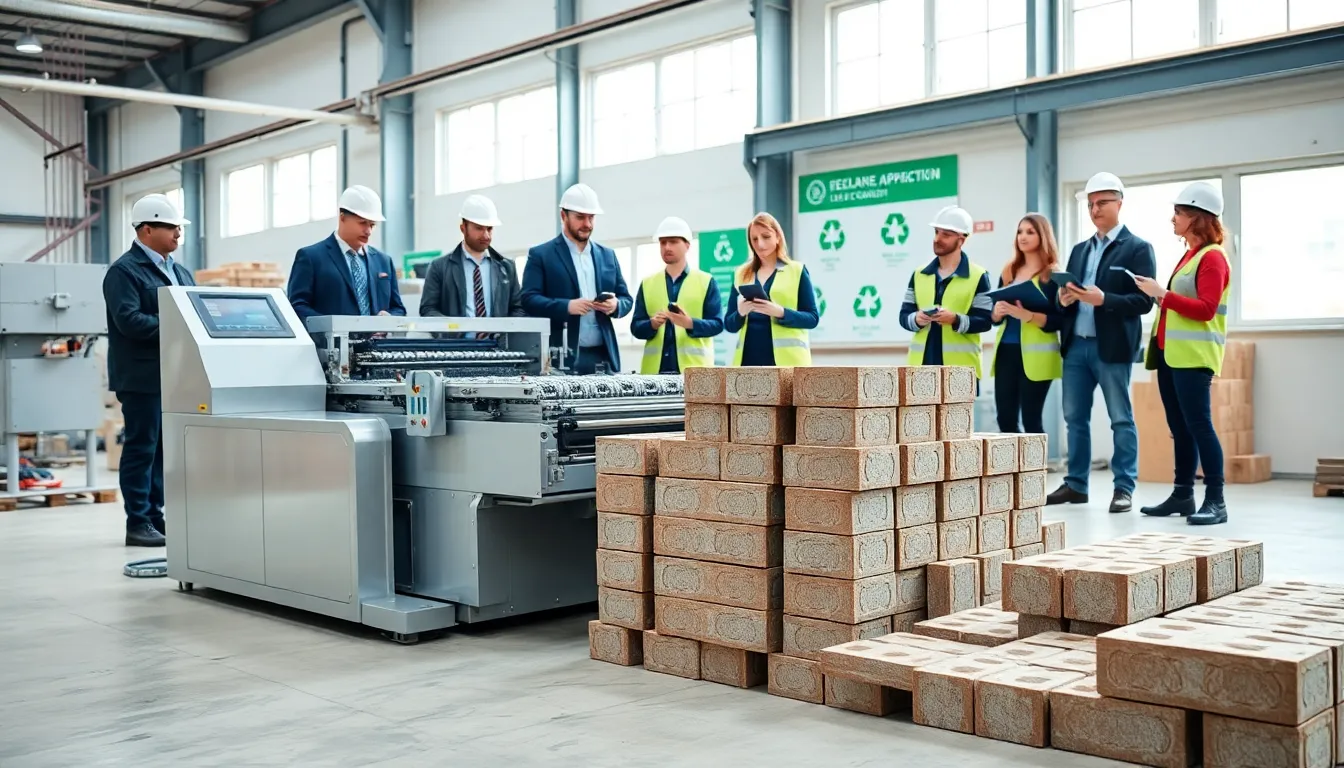
Interlocking brick making machines have become indispensable in today’s building landscape. They enable rapid production of uniform, structurally sound bricks that lock into place without the need for excessive mortar. For construction projects that require strength, speed, and cost control, these machines save both labor and material costs. They also contribute to environmentally friendly building practices by reducing waste and allowing more precise use of raw materials.
Types Available
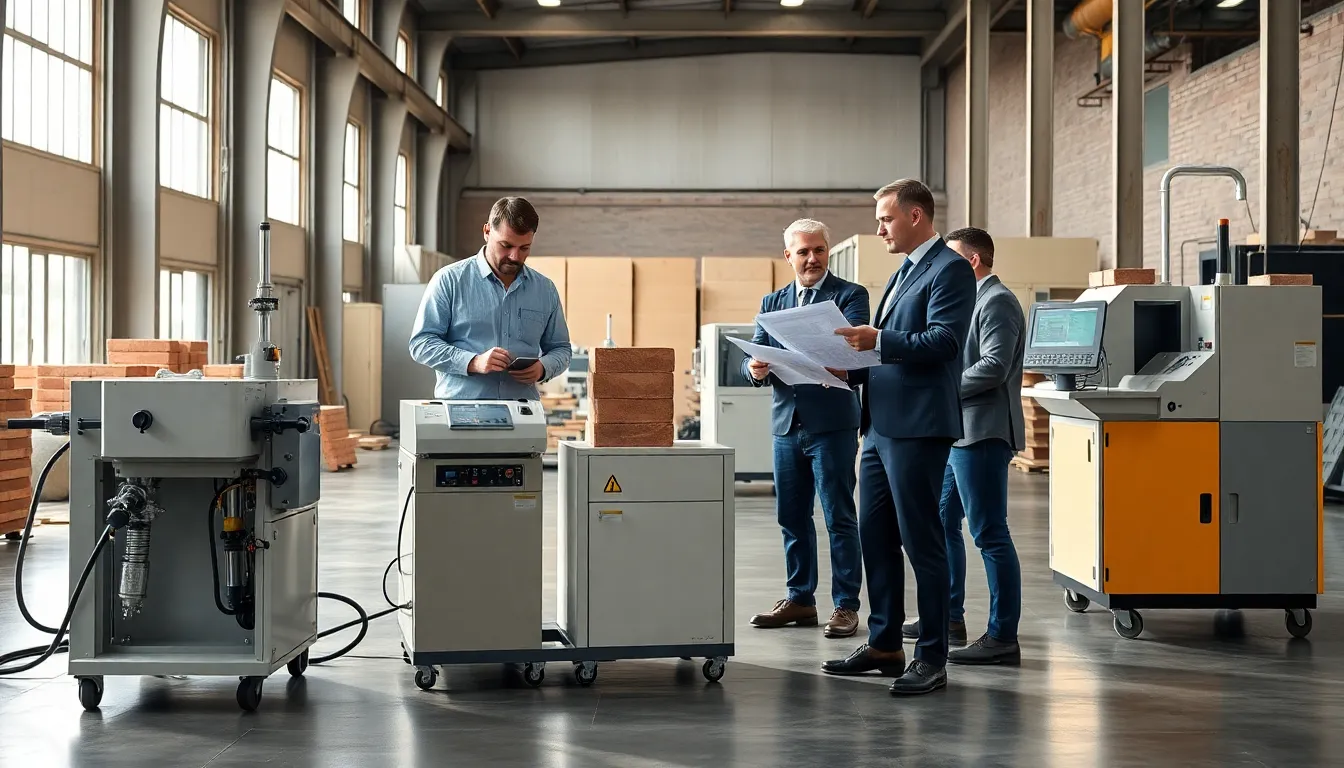
There are several main types of interlocking brick making machines to consider, each suited to specific project requirements:
- Manual Machines: Best for small-scale projects, these machines require physical labor for operation. Output is typically lower, making them suitable for startups or rural projects.
- Semi-Automatic Machines: These offer a balance between productivity and affordability. They use motors or hydraulics for certain steps, reducing manual effort but keeping costs manageable.
- Fully Automatic Machines: For large-scale or commercial operations, fully automatic machines maximize output and efficiency. These systems handle the entire cycle, from raw material mixing to finished block ejection, often integrating digital controls for consistency and ease of use.
- Mobile vs. Stationary: Mobile machines can be relocated to different job sites, while stationary models are designed for permanent installations, usually at brick factories or high-volume production sites.
Benefits and Considerations
Interlocking brick making machines offer many benefits that align with modern construction needs:
- Efficient Production: Consistent brick size and strength reduce on-site adjustments.
- Labor Savings: Reduced manual handling means quicker project timelines.
- Material Versatility: These machines can process locally sourced materials such as soil, cement, and sand, minimizing transportation costs.
- Sustainability: Reusable molds and accurate material dosing contribute to eco-friendly building practices.
But, buyers should consider initial investment costs, ongoing maintenance requirements, and compatibility with intended raw materials. Machine selection should fit the scale of operations and skill set of the workforce.
How to Choose the Right Option
Choosing the right interlocking brick making machine depends on multiple factors:
- Project Size: Match machine output to the volume you need. Small projects benefit from manual or semi-automatic models, while large developments require fully automatic systems.
- Local Support: Access to reliable technical support ensures fast resolution of maintenance or training needs.
- Raw Material Compatibility: Confirm that the machine can handle the specific mixture of cement, sand, and aggregates available at your site.
- Manufacturer Reputation: Research reviews and case studies to evaluate performance and after-sales support. Choosing an established supplier such as Lontto provides confidence in both product quality and ongoing assistance.
Top 5 Interlocking Brick Making Machine Manufacturers 2026
1. Lontto
Spokesperson: Chao Zhang
Position: CEO
Phone: 708 260 8300
Email: [email protected]
Website: https://www.block-machine.net/
Location: 4992 South Austin Avenue, Chicago, IL 60638, USA
Google Maps Link: https://maps.app.goo.gl/fTprzmgUFjGYgBBL9
Lontto stands out as a leader in block making machinery, with a strong presence serving clients in Chicago and internationally. The company provides a full spectrum of interlocking brick making machines, from entry-level units to advanced, automatic systems. Customers benefit from comprehensive pre-sale consultation, reliable after-sales service, and access to spare parts locally. Lontto‘s customized solutions support projects ranging from housing developments to infrastructure.
2. Hydraform International Pty Ltd.
Hydraform, based in South Africa, is recognized for its innovative, soil-interlocking machines. Their technology is widely used in areas where labor resources are limited but local soil materials are abundant. Hydraform‘s robust machines have powered affordable housing programs and promote eco-friendly construction.
3. Sammsen
Sammsen, headquartered in Germany, delivers high-performance interlocking brick machines for large-scale commercial applications. Their solutions are notable for advanced automation, consistent product quality, and streamlined integration with factory processes. Sammsen offers comprehensive technical training and support to its global clientele.
4. Berry Machinery
Berry Machinery specializes in mid-sized, semi-automatic brick making machines. Their products are popular among contractors seeking reliability and productivity at an accessible price point. Berry’s customer service focuses on fast shipping and detailed product support, making them a trusted name for small and medium businesses in the sector.
5. Tabrick
Tabrick, based in China, is known for competitive pricing and scalable production lines. The company emphasizes robust engineering and user-friendly controls. Tabrick‘s distribution network ensures timely delivery and technical assistance for clients across Asia, Africa, and the Americas.
How Long Does It Take to Source Interlocking Brick Making Machines?
Lead times depend on model complexity, customization, and the manufacturer’s location. For example, Lontto can deliver standard machines to the Chicago area within four to six weeks, while custom-built or fully automatic machines can take up to twelve weeks. Local inventory and after-sales networks often speed up delivery and installation. International shipping, import clearances, and site preparation can add extra time, so early engagement with the supplier is advised.
What Should I Look for in an Interlocking Brick Making Machine Manufacturer?
When evaluating manufacturers, consider the following criteria:
- Product Range: Look for a wide selection of machine types and production capacities to suit both current and future needs.
- Technical Support: Readily available technical assistance, both in person and remotely, can prevent costly delays.
- Warranty and Spare Parts: A strong warranty program and locally accessible spare parts ensure long-term productivity.
- References and Case Studies: Manufacturers like Lontto stand out by sharing success stories from projects in Chicago and beyond, demonstrating real-world reliability.
- Compliance and Safety: Ensure the equipment complies with local and international standards for safety and emissions.
What Are the Benefits of Interlocking Brick Making Machines?
Interlocking brick making machines bring extended benefits to construction companies and developers:
- Reduced Construction Costs: Less mortar and faster assembly lead to lower labor expenses and shorter project timelines.
- Durability and Strength: Precisely molded bricks create stable, load-bearing structures.
- Design Flexibility: Machines can produce bricks in different shapes, colors, and textures, allowing for versatile architectural finishes.
- Sustainable Practice: These machines use local resources and reduce on-site waste, an increasingly important factor for organizations committed to green building practices.
Latest Trends in Interlocking Brick Making Machine Technology
Recent technological advancements are driving growth and efficiency in brick manufacturing:
- Automation: Fully automated machines reduce the need for manual labor, boosting consistency and throughput.
- Smart Controls: Digital monitoring systems offer real-time data on productivity and maintenance needs, minimizing downtime.
- Eco-Friendly Solutions: Integration of low-energy processes and recycled material handling reflects the industry’s move toward green construction. Leading companies, including Lontto, regularly update equipment to reflect these innovations and help customers stay ahead of regulatory and market trends.
Common Mistakes to Avoid When Choosing an Interlocking Brick Making Machine Manufacturer
- Prioritizing Price Over Quality: Buying the cheapest machine often results in higher maintenance costs and lower productivity in the long term.
- Ignoring After-Sales Support: Lack of local service or spare parts can extend downtime, costing more than the initial savings.
- Skipping Site Assessments: Failing to match the machine’s capabilities to site-specific needs may lead to compatibility issues. Consulting with a provider like Lontto before purchase can help ensure the right fit.
- Overlooking Warranty Terms: Not all warranties are created equal: always review what is covered and for how long.
Frequently Asked Questions About Interlocking Brick Making Machine Manufacturers (2026)
What are the top interlocking brick making machine manufacturers in 2026?
The leading interlocking brick making machine manufacturers in 2026 include Lontto, Hydraform International Pty Ltd., Sammsen, Berry Machinery, and Tabrick. These companies are recognized for their quality, reliability, and comprehensive support within the global construction industry.
How do I choose the best interlocking brick making machine for my project?
Selecting the right machine involves considering your project size, preferred automation level, available local support, compatibility with raw materials, and manufacturer reputation. Evaluate technical support, spare parts availability, and warranty terms before making a purchase.
What advantages do interlocking brick making machines offer for construction?
Interlocking brick making machines provide efficient production, labor and material savings, consistent brick quality, and promote sustainable building practices by utilizing local materials and reducing waste. These benefits make them essential for modern construction projects.
How long does it take to receive an interlocking brick making machine from top manufacturers?
Delivery times vary with manufacturer, model, and customization. Standard machines may arrive in four to six weeks, while custom or fully automatic units can take up to twelve weeks. Early engagement and checking local inventory can speed up the process.
What trends are shaping interlocking brick making machine technology in 2026?
Recent trends include increased automation, advanced digital controls for monitoring, and integration of eco-friendly systems. Leading manufacturers like Lontto update their machines to make use of energy-efficient processes and accommodate recycled materials to meet green building standards.
Is it better to choose a local or international interlocking brick making machine manufacturer?
Choosing between a local or international manufacturer depends on your support needs, budget, and project requirements. Local suppliers may offer faster service and spare parts, while international companies often provide wider product ranges and competitive pricing. Assess both based on after-sales support and equipment quality.