The Benefits of a Mini Dental Implant Procedure

When it comes to getting a tooth replacement, there are a variety of different methods that can be used. You can opt for implants, which are permanent teeth that are surgically inserted into your mouth, or you can go with dentures. These are a less permanent option and are generally much cheaper. However, you will have to deal with the downsides of using dentures, such as the time it takes to recover from the procedure and the discomfort they cause.

Preparation for the procedure

Mini dental implants are a good way to replace lost teeth. They are smaller and less invasive than regular endosteal implants, but still offer the same benefits.

However, the process of getting a mini dental implant involves some preparatory steps, which will ensure a successful outcome. Following these steps will help you feel more comfortable during the procedure.
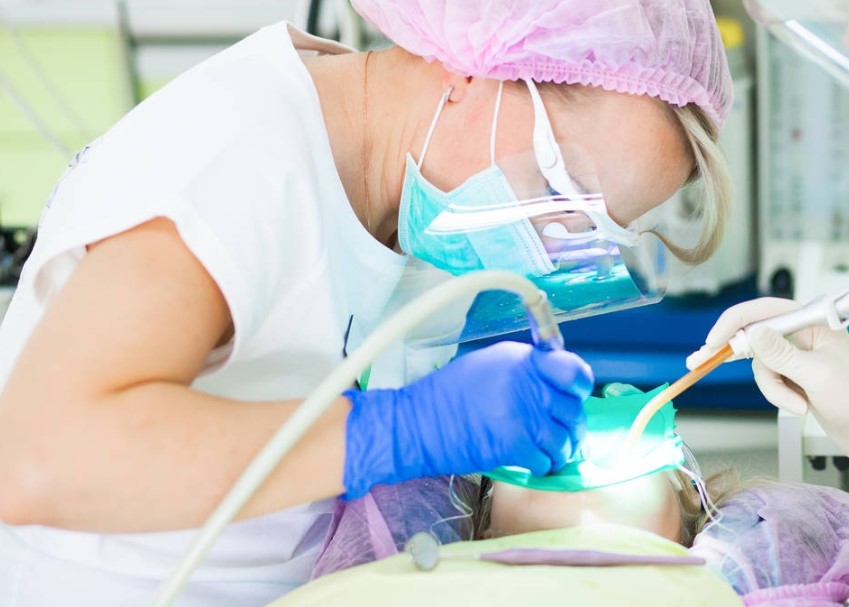
mini dental implants

For example, your dentist may recommend that you take antibiotics before and after the surgery. This will protect you from infection and reduce the risk of early failure.

Similarly, a good dental hygiene routine will help you avoid gum disease. Keeping up with your regular appointments and brushing and flossing regularly is a good idea. You should also consider asking your dentist if you should take any measures to help prevent relapse.

Another good tip is to avoid nail polish and other harsh cosmetics. It is also important to wear loose fitting clothes for the surgical procedure.

If you have been wearing dentures, remove them before the procedure. You can also ask your dentist about the risks associated with implant rejection.

During the procedure, your gums will be slightly opened to allow your jawbone to fuse with the dental implant. Your new tooth will then be attached to a titanium post, with O-rings on the sides.

Generally, patients can expect to be back to work within three days. Those who work physically demanding jobs may need a longer recovery period.

After the procedure, you will need to take a few days off from driving. Ideally, you should plan to have someone drive you home after the surgery.

You may be given a sedative to relax you. However, you should not eat for four to twelve hours after taking the medication.

There are other preparations you can make, including keeping your mouth clean and drinking lots of water. The latter can keep bacteria from accumulating at the surgical site, reducing the likelihood of a cold or other infection.

It is also a good idea to have your dentist create a timeline for your implant procedure. This will help you to understand what will happen and when.

Recovery time

Dental implants can be an attractive alternative to natural teeth. However, many people may experience pain and swelling after the procedure. If this happens, it is important to follow some simple guidelines to ensure a safe and comfortable recovery.

A typical dental implant surgery will require three to six months of healing. This process involves the osseointegration of the implant post to the jawbone. The recovery time will depend on the patient’s age and overall health.

Pain and swelling will usually subside after the first week. Ice therapy can help reduce the inflammation and bruising. You can also use a saltwater rinse to soothe the area.

After the initial period of rest, you can resume normal activities. During the early part of the recovery period, you should avoid brushing your teeth. Avoid hard foods, such as ice cream and candy, for a few days.

After a week of resting, you can resume your usual oral hygiene habits. Brushing and flossing your teeth should be done twice daily. It is also important to avoid chewing hard foods in the area.

An ice pack can be placed on the implant site for 20 minutes at a time to minimize swelling and inflammation. Over the counter pain relievers, such as Tylenol, can also be used.

Some people have mild aches and pains at night, particularly the first two days after the surgery. You can also experience minor bleeding. Your doctor can prescribe over the counter medications to control this.

Taking a few days off from strenuous activity will help the implant to heal. It is also a good idea to rest with your head elevated.

When your dental implant is completely healed, your dentist will be ready to take final impressions. You will also have to have regular checkups. Depending on your age and genetics, your bone density will determine the amount of time it takes to heal.

Mini dental implants require less bone mass than traditional implants, which makes them ideal for patients with poor bone density. They are also a lot more affordable.

Cost

The cost of a dental implant procedure can be very expensive. This is why it is important to shop around for the best deal. You can also ask your dentist if your insurance will cover some of the expenses.

However, the price of a dental implant procedure will depend on the type of implant you have and the location you live in. Typically, larger metropolitan areas tend to be more expensive.

When choosing a dentist, you should look for one that is near your home or work. This will save you time and money. It can also be more convenient.

Choosing a reputable, experienced dentist will also make your treatment more successful. Ideally, you should choose one that offers payment plans. 80% of dentists do, which can make the procedure less stressful.

Mini implants are considered to be a superior alternative to standard implants. They are smaller in size and use smaller screws. Since they are smaller, they have a lower failure rate.

Mini dental implants are usually used in situations where the bone is too thin to support conventional implants. In these cases, they can provide a solid base for dentures or bridges.

Dental implants are ceramic or metal screws that are placed into the jawbone. Implants are designed to mimic the natural teeth and can help hold dentures in place. A dental implant can be an excellent choice for people with missing or damaged teeth.

Before undergoing the dental implant procedure, you may need to undergo some diagnostic tests. Your dentist will assess the condition of your gums, the condition of your jawbone and explain your options.

Depending on your situation, you may need to have a bone graft. The cost of a bone graft is not included in the dental implant procedure. If your dentist recommends a bone graft, the additional cost can be a significant part of the total cost of the treatment.

Whether you have insurance or not, you should still shop around for the best solution. Some dental insurance providers offer an allowance for dental implants, which can be as much as $500 for a single implant.

Alternatives to dentures

Using dental implants instead of dentures can be the best option for you. This option is less expensive than traditional dentures, and can also be more stable.

The process of using mini implants is less invasive than traditional procedures. Dental implants are titanium prostheses that are surgically implanted into the jawbone.

These implants act as anchors for replacement teeth. They can also help you avoid having to undergo more invasive procedures such as bridgework. If you are considering the use of mini implants for your dentures, you may want to speak with your dentist about whether this is a good option for you.

Dentures are a great option for missing teeth, but they can be uncomfortable and can cause other problems. For instance, a poor-fitting denture can cause bone resorption, which can lead to extreme pain when chewing.

Dental bridges are another common alternative. However, they are not as secure as implants. While they may not slip out, they can increase your tooth decay and fracture risk.

Other options include removable partial dentures and overdentures. Partial dentures are not as stable as dental implants, but they can help you improve your speech and appearance.

A dental bridge may be a good alternative to dentures if you have missing teeth. You’ll need to remove some of the teeth that are surrounding your remaining teeth before your dentist can place the bridge.

Having dentures in your mouth can be uncomfortable, and they can also move around during eating. In addition, they need to be properly cleaned and adjusted regularly. With proper care, your dentures can last about seven to ten years.

Mini implants are a less invasive procedure and can help stabilize your dentures. The process is less invasive than traditional procedures, and the recovery time is quicker. Moreover, the material used in mini implants is more durable than that of traditional implants.

As with other alternatives to dentures, you may need to have follow-up appointments. During these visits, your dentist will take measurements of your mouth and determine the most appropriate treatment for you.
Dental Crown Vs Dental Implant Cost

If you’re interested in replacing missing teeth, you might wonder what the best option is. Crowns or implants? https://glenferriedental.com.au/ to learn more

Root canals

When you have an infected tooth, you have several options. One of the best is a root canal. This simple treatment can remove an infected pulp from your tooth and save your natural tooth. However, this type of treatment is not without its drawbacks.

For one, a root canal can be expensive. The cost varies depending on the tooth and location. A standard root canal will cost between $300 and $2,500. Depending on your insurance, the cost may be less.

dental implants procedure

Another factor that can affect the cost of a root canal is the material used to fill it. Most commonly, this material is made of porcelain fused to metal. Crowns can also be manufactured from this material. While crowns are generally a cosmetic treatment, they can improve the appearance of teeth.

A dental implant is another option. Dental implants provide a more permanent solution for tooth replacement. They are more expensive than a root canal, but they do have a few advantages. These include the ability to be sterile, a more natural look, and a lifetime of use.

Unfortunately, a dental implant can cost thousands of dollars. In addition, the procedure requires removal of your original tooth and installation of a metal post in your jawbone. You can also expect to have more than one appointment.

A root canal is also a good alternative, but it isn’t for everyone. If you have gum disease or a severe infection, you can’t expect a same day root canal. That’s why it’s a good idea to have a thorough dental exam. Once your dentist has examined your mouth, he or she can recommend a root canal or other treatment.

Ultimately, a root canal or a dental implant can be your best option, but it’s up to you to decide which is right for you. Before you make your final decision, it’s important to weigh the pros and cons of each. Remember that this is a major investment in your dental health, so you’ll want to know all of your options.

Choosing the root canal or a dental implant may be an important decision, but they are not without their drawbacks. An apicoectomy, for example, is a surgical procedure that involves cutting the bottom of a root. As such, it’s unlikely that it’ll last long.

All-ceramic crowns

All-ceramic crowns cost much less than dental implants. However, they are not as strong as metal crowns, which can wear down opposing teeth. They can also cause early discomfort post-placement. You may also experience an unsightly gray line between your gums and your tooth.

When deciding between dental implants and all-ceramic crowns, the decision comes down to your personal preference and the quality of the materials used. Generally, porcelain fused to metal (PFM) crowns are the most durable. These crowns are also the most aesthetic. Porcelain is biocompatible, which makes it a good choice for patients with allergies to metal.

However, porcelain fused to metal crowns can have an unsightly grey line at the gumline. If you have a metal allergy, you should consider zirconia crowns. Zirconia is a durable crystal form. It is also resistant to fracture.

Regardless of the material you choose, it is important to keep your teeth and gums healthy. The best way to do this is to undergo periodic professional checkups. This helps to ensure that any problems are caught before they can get worse. Also, your dentist may perform minor procedures, such as a gingivectomy. A gingivectomy involves cutting part of the gums away.

Dental crowns and dental implants can be very helpful for many dental issues. Crowns can be used to repair chipped or broken teeth, and they can also be used to cover up an implant. But these restorations can be expensive. Before choosing any method, be sure to check with your insurance provider and your dentist about the costs of the procedure.

Your insurance coverage should cover the majority of the cost, but you will have to pay the co-payment and possibly the rest. If your insurance does not cover the procedure, you can opt to go out of network and receive reimbursement from your insurer. By going out of network, you will have access to better care and a more personalized experience.

All-ceramic crowns are a popular choice among many people. These crowns can be made from white porcelain. Unlike PFM crowns, which can be very dark, all-ceramic crowns are translucent and smooth. That means they can be matched to the color of your natural teeth, making them a great option for front teeth.

Dental crowns are the least natural-looking option

Dental crowns are a type of dental implant that fits over top of a tooth. They are used to help restore severely damaged teeth. The cost of the procedure depends on the material that is used.

Dental crowns can be made from several materials. These include metal alloys, porcelain, and zirconia. You’ll want to choose the right type for your teeth. Choosing the wrong one could cause more problems, resulting in more pain or time spent in the dentist’s office.

Metal crowns are the cheapest and strongest. However, they don’t look like natural teeth. That said, they aren’t the best-looking option. Porcelain-fused-to-metal crowns are often a good choice. Compared to metal alloys, they offer better aesthetics.

Porcelain-fused-to-metal dental crowns are durable and are a great choice for patients who grind their teeth at night. However, they don’t always look as natural as metal crowns. If you have any concerns about the durability of these crowns, be sure to ask your doctor.

Zirconia crowns are another option. They are also a good choice for patients who have allergies to metals. Since they are made of zirconium oxide, they have the appearance of titanium. Although they are not as durable as other ceramics, they last longer.

Porcelain crowns are the most popular type of crown, though they require a little more care than metal crowns. In addition to proper hygiene, they require a dentist’s input. Porcelain crowns are commonly used for the front teeth, but they can be used anywhere in the mouth.

Gold alloy crowns are the least natural-looking material for dental implants. Though they are strong and long-lasting, they are not usually recommended for back teeth. A gold crown may have a silver color, which doesn’t make it an ideal choice for those looking for a natural-looking dental implant.

If you are considering a dental implant, be sure to consider all of the options. The most natural-looking dental crowns are porcelain fused to metal or ceramic. Taking your time to choose the right dental crown for your needs can ensure you get the results you need.

Choosing the right crown for your needs will ensure your teeth last for many years. Whether you need a crown to protect a badly damaged tooth, or you need to replace an old one, your dentist can help.

Dental implants last a lifetime

Dental implants are a great option for people who need to replace missing teeth. They are durable, stain-resistant, and can even improve oral health. But it is important to follow proper care and maintenance to ensure that your dental implants last a lifetime.

The lifespan of dental implants is largely determined by your overall health. For instance, if you suffer from gum disease or another medical condition, your mouth may not heal properly after implant surgery. This can lead to complications and possibly the failure of your implant. You should speak with your dentist as soon as possible to learn more about any underlying conditions that could affect your healing.

Other factors that can impact your implants’ longevity include your general dental hygiene. For example, flossing and brushing your teeth daily will help you avoid gum disease.

Another important factor is your diet. Sticky and sugary foods can damage the durability of your dental implants. It is also important to avoid chewing on hard objects. If you are planning to get an implant, you should consult with your dentist about the best diet for your lifestyle.

Your age will also play a major role in your dental implant’s longevity. Most dental implants can last for several decades. In fact, there are many cases where implants have survived for twenty or more years.

The type of implants you choose will also have an effect on your longevity. Front-facing implants tend to last longer than those placed at the back of your mouth. Using a mouthguard is also recommended to prevent your teeth from grinding.

It is also important to maintain a healthy and soft food diet. This includes avoiding smoking and alcohol. Smoking can negatively affect the quality of your gums, and is an especially risky behavior if you have an implant.

Getting a dental implant can be expensive. To keep your implant in good shape, you should visit the dentist at least twice a year. He will inspect your teeth and your gums to make sure you are taking proper care of them.

A healthy mouth will allow your dental implants to heal and last a lifetime. As a matter of fact, they have the best success rate of all the modern tooth replacements.

The Cost of Dental Implants for Pensioners

Dental implants are a popular form of tooth replacement among pensioners, providing a permanent and natural-looking replacement for missing teeth. However, many elderly individuals are concerned about the cost of dental implants, as they often struggle to meet the financial demands of their retirement.

In general, the cost of dental implants for pensioners will depend on the type of implant being used, the number of implants being placed, the complexity of the procedure, and the cost of materials. A single implant may cost anywhere from a few hundred to a few thousand dollars, although the average cost of a single implant is usually around $3,000.

When more than one implant is being placed, the cost will be higher, especially if complex procedures such as bone grafting are required. For example, the cost of replacing a full arch of teeth with implants can range from $20,000 to $30,000. In addition to the cost of the implants, pensioners must also consider the cost of the abutments and crowns that are used to complete the implant procedure.

Fortunately, pensioners may be able to receive some assistance with the cost of dental implants. Medicare and private health insurance policies may cover some or all of the cost of the procedure, depending on the individual’s coverage. Additionally, many dentists offer financing plans that allow patients to pay for their implants over time.

Ultimately, dental implants are a great option for replacing missing teeth, but they can be expensive. Pensioners should carefully consider the cost of the procedure before committing to it, and explore their options for financing and insurance coverage. With careful planning and budgeting, many elderly individuals can enjoy the benefits of dental implants without breaking the bank. visit https://myimplantdentist.com.au/dental-implants-for-pensioners/to learn more!

Key Takeaways:

  • Dental implants can be costly for pensioners, as insurance may not cover them.
  • Pensioners may need to pay out of pocket for the entire implant cost, or may only be partially covered.
  • There are options available to help pensioners with the cost of dental implants, such as financing or discounts.
  • Pensioners must explore all options and compare costs before deciding on dental implants.
  • Retirement savings or pension plans may help cover the costs of dental implants.
  • Dental implant costs vary depending on the complexity of the procedure, such as multiple missing teeth, type of implant, and materials used.
  • Consulting a specialist or periodontist may help to determine the overall cost of dental implants for pensioners.

dental implants for pensioners

The Benefits of Dental Implants for Pensioners

The benefits of dental implants for pensioners are numerous. Dental implants offer a permanent and natural-looking solution for missing teeth, provide excellent stability and functionality, and help prevent jawbone deterioration that can occur after tooth loss. Dental implants can also help improve an individual’s quality of life, as they allow for a full range of oral activities, including eating, speaking, and smiling.

For pensioners, dental implants can also help to improve their overall health. Tooth loss can lead to a variety of health problems, including nutritional deficiencies, TMJ disorders, and a higher risk of developing a systemic disease. Dental implants can help protect an individual’s overall health and well-being by replacing missing teeth.

For elderly individuals, dental implants are also a great way to maintain a youthful appearance. By replacing missing teeth, dental implants can help to restore a more youthful and vibrant smile, while also helping to reduce the appearance of wrinkles and fine lines around the mouth.

Overall, dental implants can be a great option for pensioners who are looking for a permanent and natural-looking tooth replacement. Although the cost of the procedure can be a concern for some, various financing options are available to help make implants more affordable.

Dental Implant Cost for Pensioners in Australia

The cost of dental implants for pensioners in Australia varies depending on the type of implant being used, the complexity of the procedure, and the cost of materials. Generally speaking, the cost of a single implant ranges from $2,000 to $4,000, with the average cost of a single implant being around $3,000.

When more than one implant is being placed, the cost will be higher, with the total cost of replacing a full arch of teeth with implants ranging from $20,000 to $30,000. Pensioners in Australia may be able to receive some assistance with the cost of dental implants, as Medicare and private health insurance policies may cover some or all of the procedure. Additionally, many dentists offer financing plans that allow patients to pay for their implants over time.

Factors that Can Affect Dental Implant Cost

The cost of dental implants for pensioners can vary depending on a variety of factors. The type of implant being used, the complexity of the procedure, and the cost of materials can all affect the total cost of the procedure. Additionally, the experience and reputation of the dentist performing the procedure can also have an effect on the cost.

The location of the dental practice can also influence the cost of dental implants. Practices in more expensive cities or towns will often charge more for their services than those in less expensive areas. Additionally, dentists offering discounts or special offers may offer lower-cost implants.

Overall, the cost of dental implants for pensioners can vary significantly depending on the type of implant being used, the complexity of the procedure, and the cost of materials. Pensioners should carefully consider the cost of the procedure before committing to it, and explore their options for financing and insurance coverage.

Dental Implants in Australia

Dental implants are a popular form of tooth replacement in Australia, providing a permanent and natural-looking solution for missing teeth. As with other countries, the cost of dental implants in Australia will vary depending on the type of implant being used, the complexity of the procedure, and the cost of materials.

Pensioners in Australia may be able to receive some assistance with the cost of dental implants, as Medicare and private health insurance policies may cover some or all of the procedure. Additionally, many dentists offer financing plans that allow patients to pay for their implants over time.

Overall, dental implants can be a great option for pensioners who are looking for a permanent and natural-looking tooth replacement. Although the cost of the procedure can be a concern for some, various financing options are available to help make implants more affordable.

Conclusion

Dental implants are a popular form of tooth replacement among pensioners, offering a permanent and natural-looking solution for missing teeth. The cost of dental implants for pensioners will depend on the type of implant being used, the complexity of the procedure, and the cost of materials. Generally speaking, the cost of a single implant ranges from $2,000 to $4,000, with the average cost of a single implant being around $3,000.

Pensioners may be able to receive some assistance with the cost of dental implants, as Medicare and private health insurance policies may cover some or all of the procedure. Additionally, many dentists offer financing plans that allow patients to pay for their implants over time. Ultimately, dental implants can be a great option for pensioners who are looking for a permanent and natural-looking tooth replacement.

Frequently Asked Questions:

What is the average cost of a single dental implant?

The average cost of a single dental implant is usually around $3,000, depending on the type of implant being used, the complexity of the procedure, and the cost of materials.

Does Medicare or private health insurance cover the cost of dental implants for pensioners?

Medicare and private health insurance policies may cover some or all of the dental implant procedure cost, depending on the individual’s coverage. It is best to check with the individual’s insurance provider to confirm the coverage.

What are the benefits of dental implants for pensioners?

The benefits of dental implants for pensioners are numerous, they offer a permanent and natural-looking solution for missing teeth, provide excellent stability and functionality, and help prevent jawbone deterioration that can occur after tooth loss. Dental implants can also help improve an individual’s quality of life, as they allow for a full range of oral activities, including eating, speaking, and smiling.

Are financing options available for dental implants for pensioners?

Yes, many dentists offer financing plans that allow patients to pay for their implants over time.

Does dental implant replace missing teeth and prevent jawbone deterioration for pensioners in Australia?

Dental implants replace missing teeth and help prevent jawbone deterioration that can occur after tooth loss for pensioners in Australia, just as it does for pensioners in any other location.

The Importance of Regular Tile and Grout Cleaning in Bundaberg

If you own a tile and grout floor, keeping it clean and free of dirt, dust, and other debris is important. Not only will this help it look its best, but it will also help prolong its life. Tile and grout are porous materials, which means they can easily become stained and discolored if they are not cleaned regularly.

There are a few different ways to clean tile and grout, but hiring a professional tile and grout cleaning company in Bundaberg is the most effective way. An experienced company will have the right equipment and cleaning products to clean your tile and grout without damaging it. They will also be able to get rid of any tough stains that you may have.

If you are unsure whether or not you should hire a professional tile and grout cleaning company, you can do a few things to clean your tile and grout on your own. However, it is essential to note that these methods may not be as effective as hiring a professional. For more information, check out tile and grout Cleaning in Bundaberg today to learn more!

The Importance of Regular Tile and Grout Cleaning in Bundaberg

What is Tile and Grout Cleaning?

Tile and grout cleaning removes dirt, grime, and other contaminants from your tile and grout surfaces. It is important to clean your tile and grout regularly in order to maintain their appearance and prevent the build-up of harmful bacteria.

The Best Method for Cleaning Tile and Grout

There are several different methods that can be used to clean tile and grout, and the best method will depend on the type of surface that you have.

  • Ceramic tile – you can use various cleaners to clean it. You can use a mild soap and water solution, or you can use a stronger cleaner such as bleach. Be sure to rinse the area well after cleaning it with bleach, as bleach can damage your tile if it is left on for too long.
  • Porcelain tile – you will need to use a different type of cleaner. Porcelain is very delicate, harsh cleaners can easily damage it. Instead, you should use a mild soap and water solution or a gentle cleaner designed explicitly for porcelain.
  • Natural stone tile – you will need to be careful when cleaning it. Natural stone is very porous, and harsh cleaners can easily damage it. Instead, it would help if you used a mild soap and water solution or a gentle cleaner specifically designed for natural stone.

Once you have chosen the right cleaner for your tile and grout, you will need to follow the instructions on the label. You will want to apply the cleaner to the surface and then scrub it with a brush. Be sure to rinse the area well after scrubbing to remove all of the cleaners.

Tile and grout cleaning is an important part of maintaining the appearance of your home. By cleaning your tile and grout regularly, you can keep them looking their best and prevent the build-up of harmful bacteria.

Benefits of Professional Tile & Grout Cleaning Services?

When it comes to tile and grout cleaning, many people try to do it themselves. However, there are many benefits of professional tile and grout cleaning services. Here are some of the help:

  1. A professional tile and grout cleaning service will have the right equipment to clean your tile and grout. This includes high-powered vacuums and rotary scrubbers.
  2. A professional tile and grout cleaning service will use the right cleaners and solutions to clean your tile and grout. This includes using pH-neutral cleaners and sealers.
  3. A professional tile and grout cleaning service will have the experience of knowing how to clean your tile and grout properly. This includes knowing how to avoid damaging your tile and grout.
  4. A professional tile and grout cleaning service will be able to clean your tile and grout quickly and efficiently. You won’t have to spend hours cleaning your tile and grout.
  5. A professional tile and grout cleaning service will be able to provide you with a warranty on their work. This means that if you are not satisfied with the work, you can get your money back, visit fairtrading.nsw.gov.au to learn more.

How to Maintain Your Tiles & Grouts After Professional Tile & Grouts Cleaning Services

Your tile and grout lines are an important part of your home’s interior design. Not only do they add beauty and value to your home, but they also play an important role in protecting your investment. That’s why it’s important to maintain your tile and grout lines after professional tile and grout cleaning services.

Here are a few tips on how to maintain your tile and grout lines after professional tile and grout cleaning services:

1. Wipe up spills immediately – Tile and grout lines are susceptible to staining from spills. To prevent this:

  1. Wipe up spills immediately.
  2. Use a clean, dry cloth to blot the spill.
  3. Do not rub the spill, as this can spread the stain.

2. Use doormats and area rugs – Doormats and area rugs can help protect your tile and grout lines from dirt and debris. Place them at all entrances to your home to help keep dirt and debris from being tracked onto your tile and grout lines.

3. Vacuum regularly – Vacuuming is an essential part of maintaining your tile and grout lines—vacuum at least once a week to remove dirt, dust, and debris. Be sure to use a vacuum with a soft brush attachment to avoid scratching your tile and grout lines.

4. Avoid using harsh chemicals – Harsh chemicals can damage your tile and grout lines. To avoid this, use mild, pH-neutral cleaners. You can also make your cleaner by mixing equal parts water and vinegar.

5. Seal your grout lines – Sealing them can help protect them from stains and dirt. Sealing also makes it easier to clean your grout lines. To seal your grout lines, apply a grout sealer with a brush. Allow the sealer to dry completely before using your tile and grout lines.

6. Clean your tile and grout lines regularly – Regular cleaning helps maintain the beauty of your tile and grout lines. To clean your tile and grout lines:

  1. Use a mild, pH-neutral cleaner. You can also make your cleaner by mixing equal parts water and vinegar.
  2. Apply the cleaner to your tile and grout lines with a sponge or brush.
  3. Rinse the area with clean water.
  4. Allow the area to air dry.

Conclusion

Regarding tile and grout cleaning, it is essential to hire a professional service. There are many benefits to using a professional tile and grout cleaning service, including:

  1. They have the experience and expertise to do the job correctly.
  2. They have the proper equipment to clean your tile and grout properly.
  3. They can save you time and hassle.
  4. They can protect your investment by prolonging the life of your tile and grout.
  5. They can help you avoid costly repairs.

If you are looking for tile and grout cleaning services, hire a reputable and experienced company. Doing so will ensure that your tile and grout are properly cleaned and protected.


Why You Should See An Emergency Dentist In Joondalup

If you experience pain or a change in your oral health that you can’t resolve on your own, seek emergency dental care. A Joondalup emergency dentist will examine you and conduct any necessary tests. They’ll then offer you treatment options and recommend the best course of action for your individual situation. Call our clinic for an emergency appointment if you need to be seen as soon as possible. We’re open evenings and weekends, so don’t hesitate to get in touch if you feel uncomfortable going to the dentist without prior notice. Visit the website of the emergency dentist clinic located in Joondalup WA for any additional information you may require.

Why You Should See An Emergency Dentist In Joondalup

What Are Dental Emergencies?

Dental emergencies are defined as any type of dental problem that requires immediate treatment in order to save the tooth or teeth. Dental emergencies can include anything from a cracked tooth to a knocked-out tooth. If you are experiencing any type of dental pain, it is important to see a dentist right away.

There are a few different types of dental emergencies that are commonly seen by dentists. One of the most common dental emergencies is a toothache. A toothache is usually caused by a cavity or an infection in the tooth. If you are experiencing a toothache, it is important to see a dentist right away so that the problem can be fixed.

Another common dental emergency is a cracked tooth. A cracked tooth can be caused by biting down on something hard, by grinding your teeth, or by an injury. If you have a cracked tooth, it is important to see a dentist right away so that the problem can be fixed.

The third type of dental emergency is a knocked-out tooth. A knocked-out tooth can be caused by an injury or by biting down on something hard. If you have a knocked-out tooth, it is important to see a dentist right away so that the problem can be fixed.

If you are experiencing any type of dental pain, it is important to see a dentist right away. Dental emergencies should not be taken lightly, as they can lead to more serious problems if they are not treated right away.

What To Expect When You See An Emergency Dentist

If you have a dental emergency, you may be wondering what to expect when you see an emergency dentist. Here is a brief overview of what you can expect:

First, the emergency dentist will assess your situation and determine the best course of treatment. This may involve taking x-rays or other diagnostic tests.

Next, the emergency dentist will provide you with dental treatment options. Depending on the severity of your emergency, the dentist may recommend a simple dental procedure, such as a filling, or a more complex procedure, such as a root canal.

Finally, the emergency dentist will provide you with aftercare instructions. This may include taking over-the-counter pain medication or using special mouthwash.

How To Find An Emergency Dentist In Joondalup

If you are experiencing a toothache, difficulty chewing or a sudden change in oral health, it is important to seek emergency dental care as soon as possible. There are a few ways to find an emergency dentist in Joondalup:

  1. Ask your doctor or the hospital staff where you are Hospital emergency rooms are generally staffed with dentists who can offer dental services during a crisis.
  2. Search online for directories of dental specialists. These directories can list dentists who offer 24-hour service as well as listings for walk-in clinics and emergency rooms. Look for keywords such as “emergency dentist” or “toothache clinic.”
  3. Check with your local hospital’s social work department. This department may be able to provide you with contact information for disaster victims’ services or other organizations that provide immediate access to medical professionals and dentists.

What To Do If You Have A Dental Emergency

If you have an unexpected dental emergency, there are a few things that you can do to ensure that your oral health is taken care of. Here are a few tips:

  • Make an appointment as soon as possible. If you can’t make it to the dentist right away, seek out a dental clinic or hospital that is able to offer 24-hour coverage.
  • Know the warning signs of a dental emergency. Some of the most common symptoms include intense pain, difficulty breathing, nausea and vomiting, extreme thirst, and changes in behaviour or mood. If you experience any of these symptoms, consult with a healthcare professional as soon as possible.
  • Assist with mouth breathing. If you find it difficult to breathe through your nose, try assisted mouth breathing exercises. These exercises help to open up your airways and relieve some of the pressure on your lungs.

What Is The Most Common Dental Emergency?

The most common dental emergency is a toothache. Other dental emergencies that can occur include:

  • loose tooth
  • cracked tooth
  • sore tooth
  • knocked out tooth
  • broken tooth
  • cavity

A dental abscess is a serious dental emergency. If you have a dental abscess, you will need to see a dentist as soon as possible. A dental abscess is a pocket of pus that forms in the teeth or gums. A dental abscess can be very painful. If the abscess is not treated, it can spread to other parts of the body and cause a serious infection, click here to learn more.

What Should Be Considered About A Patient With An Emergency Dental?

When a dental emergency arises, the dentist must give serious consideration to how best to address the patient’s symptoms. The dentist will want to determine if the patient has a cavity that needs to be filled or if they have a tooth that is loose and needs to be fixed. In either case, the dentist may need immediate action to save the patient’s teeth. If the tooth is loose, the dentist may need to put a dental implant into place in order to hold the tooth in place. If the tooth is a cavity, then the dentist may need to fill it with local anesthesia and a drill. In either case, the goal of treating an emergency dentist is to get the patient back on their feet as quickly as possible so that their teeth can be repaired properly.

FAQs

Why would I need an emergency dentist appointment?

If you have a toothache that lasts for more than an hour, or if the pain is severe enough to keep you from eating or sleeping, then you should go to the emergency room.

What can an emergency dentist do?

Emergency dentists are typically responsible for treating acute dental emergencies. Examples of such emergencies include teeth that have fallen out, minor oral surgery that went wrong, or a child who has a broken tooth. In some cases, an emergency dentist may be able to immediately fix the problem and return the tooth to the patient.

What is dental emergency treatment?

A dental emergency is a situation that presents an immediate danger to a person’s oral health and could require professional help. Some of the most common dental emergencies include broken teeth, loose teeth, infection, and toothache.

Will an emergency dentist extract a tooth?

There is no such thing as an “emergency dentist.” A regular dentist would extract a tooth in the same way they extract any other teeth- by using a dental drill and some dental suction. If the tooth is causing somebody significant pain or if it is diseased, then a specialist may be consulted to perform an emergency extraction, but this is extremely rare.

What is classed as a dental emergency?

A dental emergency is when a person has an oral problem that prevents them from eating or drinking, such as a blocked tooth.

How do you handle a dental emergency?

If you experience a dental emergency, the best thing is to go to the hospital. If this is not possible, call 911. Inform the operator that you are experiencing a dental emergency and ask for help.

Dentures Joondalup: Full Set Of Dentures Cost

Are you looking for a complete set of dentures in Joondalup? Look no further than our specialist denture shop! We have a wide range of brands and styles to choose from, so you’re sure to find the perfect set of dentures for your needs. We also offer a range of payment options, so you can choose what’s best for you. Additionally, we offer free consultation and fitting services, so you can be sure that your new dentures will fit comfortably and look fabulous! For more information, check out dentures cost in Joondalup today to learn more.

Dentures Joondalup Full Set Of Dentures Cost

Where To Get Partial Dentures Near Me

There are a few options if you are looking for partial dentures close to you. Many dentists offer partial dentures as part of their practice, so it’s worth asking if they offer them. You can also look for denture clinics or pharmacies that provide partial dentures.

What Does A Full Denture Cost?

A full denture typically costs between $2,000 and $5,000, but that number can vary greatly depending on the type of denture and where it is purchased. A removable partial denture may be less expensive than a fixed or full denture, but a full denture usually requires fewer visits to the dentist and may last longer.

How Can I Get Partial Dentures Quickly?

If you’re missing teeth and want to improve your smile, you may be wondering how to get partial dentures quickly. While getting dentures can take a few weeks, you can do a few things to speed up the process.

First, choosing a reputable dentist with experience making partial dentures is important. Ask for recommendations from friends or family, or look for online reviews. Once you’ve found a dentist you’re comfortable with, schedule a consultation to discuss your options.

During the consultation, your dentist will take impressions of your teeth and gums. These impressions will be used to create a model of your mouth, which will be used to make your dentures. If you’re getting complete dentures, your dentist will also take measurements of your jawbone.

Once the impressions are taken, your dentist will send them to a dental lab, where your dentures will be made. The process of making dentures can take a few weeks, so it’s essential to be patient. In the meantime, your dentist may give you a temporary set of dentures to wear.

Once your dentures are ready, you’ll need to return to the dentist’s office to have them fitted. This process usually takes a few hours, and you may need to return for a few adjustments before they’re perfect.

With proper care, your partial dentures should last for many years. Be sure to brush, floss regularly, and see your dentist for regular checkups, click here to learn more.

How Much Does It Cost To Get Partial Teeth?

It is not a simple question, as the price for a partial dental restoration will vary depending on the tooth and the technique used. In general, however, partial dentures or dentures with partially restored teeth can cost anywhere from $2,000 to $5,000.

Can You Get Full Dentures?

If you’ve lost all your teeth, you might wonder if you can get full dentures. The answer is yes! Dentures are a great way to restore your smile and give you back your confidence.

Dentures are false teeth that are custom-made to fit your mouth. They look and feel just like natural teeth, and they’re held in place by suction or a dental adhesive.

Full dentures are usually made of acrylic or porcelain and can be either removable or fixed. Removable dentures are easier to care for and clean, but they can be a bit less stable than fixed dentures.

If you’re considering dentures, the first step is to schedule a consultation with your dentist. They will examine your mouth and teeth to ensure dentures are the right solution for you.

If you decide to go ahead with dentures, the next step is to have impressions made of your mouth. These impressions will be used to create a model of your mouth, which will be used to make your dentures.

Once your dentures are ready, you’ll come in for a fitting. This is where your dentures will be placed in your mouth and adjusted to ensure a comfortable fit.

You’ll need to care for your dentures just like natural teeth. That means brushing them twice a day and flossing them daily. You should also avoid eating hard or sticky foods and be sure to take them out at night, so your gums can rest.

With proper care, your dentures can last for many years. And you’ll be able to enjoy all the benefits of having a full set of teeth, like eating and speaking without difficulty.

FAQs

What does a full denture cost?

Most dental offices will charge the full price when a denture is fitted and installed, including the material, labour, and applicable taxes.

How much does a full set of dentures cost Australia?

A full set of dentures cost in Australia between $3,000 and $4,000.

How much do dentures cost in Western Australia?

Depending on the type and brand, dentistry can cost anywhere from $1,000 to $10,000. Prices vary depending on location, dental technology and other factors.

How much are dentures top and bottom?

This is a difficult question. The top and bottom of dentures may be any size, as long as they properly sit in the mouth and fit comfortably. Most denture brands produce either full or partial dentures labelled “top” or “bottom.”

How can I get partial dentures quickly?

If you are experiencing pain and difficulty chewing, your dentist may recommend partial dentures. Partial dentures can be made from metal, plastic, or porcelain. Sometimes a removable bridge is also necessary to help support the teeth in the area of the missing teeth.

How much does it cost to get partial teeth?

A partial denture costs approximately $2,000-$5,000, depending on the type of partial denture.

Dentist Ellenbrook: How To Find The Right Dentist Near You

Does your mouth feel on the dry side? Are you struggling with bad breath and tooth decay? If so, it’s time to schedule an appointment with a dentist in Ellenbrook, WA. Many dentists in the area can help you achieve optimal oral health. Click here for more. Here are some tips to help you find the right dentist for you: 

  • First, research dentists in your area. Look online or contact your local Chamber of Commerce. They can often provide you with a list of recommended dentists. 
  • Second, consider whether you need general or oral surgery. A general dentist may be best for you if you’re only looking for preventative care. However, an oral surgeon may be a better option if you have teeth that need work. 
  • Finally, be sure to schedule an appointment with multiple dentists before making a decision. This way, you can get a sense of how each one operates and what their rates are.

Affordable dentist in ellenbrook

What Is The Best Way Of Finding A Good Dentist In My Area?

One of the best ways to find a good dentist in your area is to ask family, friends, or co-workers who they have recommended. Another option is to search online for dental reviews or ratings. Finally, you can also call local dental offices and ask about their experience with particular dentists.

How Do I Find The Right Family Dentist?

When finding the right family dentist, it is important to research your options. Each dentist has their approach and philosophy regarding dental care, so it is essential to find one with a style you feel comfortable with. Some things to look for when choosing a family dentist include: 

  • Geographic Location: When looking for a family dentist, it is essential to make sure they are located in a location that is convenient for you. You want someone who can come to your home or officeum and provide treatment on-site. 
  • Quality of Service: When sorting through directory listings, make sure you read reviews of the dentist before scheduling an appointment. Look for high ratings and descriptors such as “best” or “top-notch.” 
  • Availability: With so many people needing dental care, it is essential to find a dentist with clinics open on certain days and times. Also, check their website or call their office during business hours to confirm they are empty. It is important to remember that no two dentists are alike, so be sure to ask any questions that you may have before making an appointment. You will also want to make

How Do I Know If My Dentist Is Good?

If you want to find a good dentist, the first thing to do is to ask around. Ask your family, friends, or neighbours if they have any recommendations. If you can’t find anyone with a good word to say about a particular dentist, look for reviews on websites like Yelp or ZocDoc. These websites allow people to share their general experiences with dentists and ensure you’re getting information from someone who knows what they’re talking about. You can also ask your doctor whether they know any dentists that they would recommend. Finally, always see a dentist before making an appointment, just to ensure there’s no conflict of interest involved.

How Much Does It Cost To Get Drilled In Teeth?

Tooth Drilling: Costs vary depending on the location and severity of the tooth. In general, a routine teeth-cleaning visit with a professional drill team typically costs between $200 and $1,000. Customized drilling for specific dental needs can cost as much as $4,000.

How Long Do Drill In Teeth Last?

One dentist addresses a question on how long the drill in teeth lasts. Studies vary on how long the buccal cavity will last, but it is generally agreed that they dissolve or wear away over time and should not be kept longer than 6 to 12 months. If you have drilled into your tooth’s pulp chamber, visiting a dentist as soon as possible is essential as this can lead to infection and other problems. Visit www.betterhealth.vic.gov.au to learn more. 

Dentist Ellenbrook: How To Find The Right Dentist Near You FAQs

What is the best way of finding a good dentist in my area?

An excellent way to find a dentist in your area is by using the Yelp app or website.

How do I find the right family dentist?

There is no right answer to this question since every family has different dental needs and preferences. However, some tips that may help you find the right family dentist include researching your community’s dental health care options, getting a recommendation from your friends or family members, and checking out reputable online directories or reviews.

How do I know if my dentist is good?

You don’t always have to go to a dentist in your insurance plan. It would help if you also asked friends and family for recommendations or looked online for reviews.

How much does it cost to get drilled in teeth?

The cost to get drilled in teeth depends on various factors, including the type and location of the tooth being drilled. In general, though, it can range from $50-150 per procedure.

How do I choose the right dentist?

There is no one-size-fits-all answer to this question. Each person’s dental needs will be different, so it’s essential to find a dentist who is aware of your teeth and oral health history. You may also want to consider factors such as the quality of the dental practice’s staff and equipment, whether or not the dentist accepts insurance, and how comfortable you feel during your appointment.

How do I choose a dentist near me?

There are several ways to choose a dentist near you. You can try looking online for lists of dentists in your area, checking with your health insurance company to see if they cover dental services, or talking to a family member or friend who has recently had surgery at their dentist.


Affordable Invisalign In Perth And How They Are Improving Your Smile

If you are looking for a way to improve your Smile, Invisalign may be the solution for you. Invisalign is a dental surgery that uses clear braces to transform your Smile. The treatment is available at many affordable clinics in Perth, and it is often successful in providing a more aesthetically pleasing smile. If you are interested in Invisalign, please contact one of our clinics to schedule a consultation. Click here to learn more!

Affordable Invisalign In Perth And How They Are Improving Your Smile

What Is Invisalign Perth?

Invisalign is a clear aligner that is used to straighten teeth. It is made of an explicit, flexible material that is virtually invisible. Invisalign is an alternative to traditional metal braces. It is removable, so you can eat and drink what you want. You can also brush and floss normally to maintain good oral hygiene. Invisalign is virtually invisible, so people will not know that you are wearing them.

How Does Invisalign Work?

Invisalign Perth is an orthodontic treatment that uses clear, plastic aligners to gradually straighten teeth. The aligners are custom-made for each patient and are virtually invisible when worn. Invisalign is an alternative to traditional metal braces.

The Invisalign system uses a series of clear, removable aligners custom-made for your teeth. As you replace each aligner with the next in the series, your teeth will move — little by little, week by week — until they have straightened to the final position that Dr. has prescribed. You’ll visit Dr. periodically to ensure that your treatment progresses as planned.

You’ll wear each set of aligners for about two weeks, removing them only to eat, drink, brush, and floss. As you replace each aligner with the next in the series, your teeth will gradually move into place.

The number of aligners in your treatment plan will depend on your case. The more complex your case, the more aligners you’ll need.

You’ll start to see results after a few weeks, and you’ll achieve your final Smile in about 12 months.

What Are The Benefits Of Getting Invisalign Treatment?

People who get Invisalign treatment often report several benefits. Chief among these is a cessation of tooth decay and improved speech quality. Patients typically see results in as little as six months, and many feel that their oral health has improved significantly. In addition, Invisalign treatment can help people with snoring and sleep apnea conditions since it reduces the number of teeth that cause noise during breathing.

There are many benefits of getting Invisalign treatment. Some of the benefits include:

  • Improves Smile Quality
  • Reduces the Need for Orthotics and Corrections
  • Eliminates the Need for Surgery
  • Dramatically Reduces Irregularity and Gaps in Teeth

Invisalign is a great option for improving their smile quality, but they don’t want to have surgery or wear orthotics. By aligning your teeth with gentle, continuous adjustments, Invisalign can dramatically reduce the need for orthodontics and correction procedures in the future. Plus, by eliminating the need for dental braces, you avoid all of the discomfort and hassle that come with them. For more information, check out www.betterhealth.vic.gov.au today!

What Are The Benefits Of Getting Invisalign Treatment?

If you’re considering Invisalign treatment, you may be wondering what the benefits are. Invisalign is a great option for people who want to improve their Smile without traditional metal braces. Here are some of the benefits of getting Invisalign treatment:

  • Invisalign is practically invisible. This is one of the biggest benefits of Invisalign – people won’t even know you’re wearing them!
  • Invisalign is comfortable. Unlike metal braces, which can rub against your gums and cheeks, Invisalign is made of gentle smooth plastic on your mouth.
  • Invisalign is removable. You can take them out to eat, brush your teeth, and floss. This is much easier than trying to maneuver around metal braces.
  • Invisalign is a shorter treatment. On average, treatment time with Invisalign is about 12 months. Traditional braces can take up to two years.
  • Invisalign is more affordable than you might think. The cost of Invisalign is comparable to traditional braces.

If you’re looking for a way to improve your smile without metal braces, Invisalign might be the right treatment. Talk to your orthodontist to see if Invisalign is a good option.

How Do I Fit An Invisalign Brace For My Teeth?

Considering dental inlays like Invisalign, the fit is critical to success. Here are some tips on how to ensure a perfect fit:

  1. Consult with your dentist at least three months before the treatment is scheduled. They will be able to provide you with an accurate estimate of what type of braces will be needed and will help you choose the best option for your teeth and jaw.
  2. . Always wear a good set of dentures when fitting Invisalign braces because they can cause minor shifts in teeth alignment. If dentures are not worn, your dentist may use impression materials taken from outside the mouth to create the final brace.
  3. . Take impressions of your teeth using soft dental images (usually available from your dentist). Save these impressions for at least two to four weeks after the appointment so that future adjustments can be made without taking another set of impression photos.
  4. . Choose an Invisalign aligner that is ideally suited for your teeth and jawline. Available aligners include both fixed and semi-diamond-shaped brackets that must be adjusted periodically as your teeth move during daily activities or wear over time.
  5. . Follow the instructions provided

There are many considerations when fitting an Invisalign brace, such as your bite/ chewing style, dental health, and adequate oral hygiene. Here are some tips to help you determine whether or not Invisalign is the right treatment option for you:

  1. Take a look at your bite/chewing style. If you have a thin upper jaw bone or wear a large removable denture, Invisalign may not be the best treatment.
  2. .Be sure to have good oral hygiene before beginning the fitting process. This includes tooth-brushing twice a day with fluoride toothpaste and regular use of mouthwash. Invisalign aligners cannot take care of dental plaque and tartar buildup on your teeth – this will need to do after the braces have been removed.
  3. .Make an appointment with us to get started on the treatment plan that is right for you!

Can Invisalign improve Smile?

Yes, Invisalign can improve your Smile. The teeth are aligned and therefore look more natural.

How long does it take for Invisalign to widen Smile?

Typically, Invisalign will widen your Smile in about six months.

How do you get a wider smile with Invisalign?

One way to obtain a wider smile is to have Invisalign put in during your esthetic consult. This will move your teeth apart and create more space for natural-looking teeth.

What is Invisalign, and how does it work?

Invisalign is a series of invisible-to-the-eye aligners that help to straighten teeth. The aligners are custom made to fit your teeth, and they’re worn on either side of the front teeth in a mutually perpendicular alignment. The aligners slowly move your teeth into their desired positions, and they are removed every two months.

Is Invisalign better than braces?

If your teeth are in excellent condition and you do not need to wear teeth-coloured cosmetics, Invisalign may be better. Patients who need braces typically have more severe tooth problems that Invisalign can’t correct.

What does Invisalign do to teeth?

Invisalign is a dental treatment that uses clear aligners to move teeth into their correct positions. It is FDA-approved for use on children and young adults who have bite issues and poor tooth alignment.


How To Choose The Best Invisalign Treatment For Your Needs

Invisalign Treatment Brisbane

How To Choose The Best Invisalign Treatment For Your Needs

If you’re considering Invisalign, know that there are dozens of different treatments to choose from, each with its own unique strengths and weaknesses. Here’s some advice to help you make an informed decision: First, decide whether you want clear or opaque braces. Opaque braces are slightly more expensive but can be set so that they appear almost completely invisible. Click here to get more info

Clear braces are less expensive but may require you to take extra care when getting dressed or brushing your teeth. Next, consider your goals for treatment. If you just want to correct minor alignments, one polymer type of Invisalign may be perfect for you. If, on the other hand, you have a more serious dental issue that Invisalign cannot correct, other treatments such as root canal therapy or a full Smile Makeover may be a better option for you.

Once you have determined your goals and selected the type of braces that fit those goals, find a treatment provider who offers Invisalign in your region. There are numerous treatment providers across the country who offer this innovative orthodontic treatment, so choosing the best one for you will likely require incorporating some degree of research into your choice process.

If you are looking for an affordable and effective way to improve your teeth sans braces, Invisalign may be the treatment for you. With a variety of brands and locations available, you can find a treatment that is tailored specifically to your needs. Invisalign comes in two main types: clear braces and Invisalign Premier. Clear braces work just like traditional braces, but the aligners are clear and removable.

Invisalign Premier features invisible aligners that move your teeth into their best positions without any metal on your teeth. There are a number of factors to consider when choosing Invisalign treatments: alignment goals, coverage requirements, budget, aesthetics preferences, etc. Our team can help you figure out which option is best for you and answer any questions you may have about the treatment. Contact us today to schedule a consultation!

If you’re considering Invisalign for your teeth alignment needs, here are five factors to consider:

  • Age: Younger patients may need less surgery and fewer postsurgical adjustments than older patients.
  • Dentition complexity: Teeth with more complex curves or ridges may require more elaborate treatment plan specifications from the Invisalign provider.
  • Oral health improvement goals: If you’re only looking to improve your smile, and Invisalign treatment might not be right for you. On the other hand, if you’re hoping to prevent future tooth loss, Invisalign could be a great option.
  • Cost: An estimate of the total cost of the treatment should be included in any discussion of Invisalign options. Fees can vary greatly based on location, type of Invisalign treatment, and even the patient’s dental insurance coverage.


What Is Invisalign?

Invisalign is a system that uses clear, aligners to move teeth towards their ideal positions. The aligners are custom made to fit your teeth, and they gradually take away the urge to bite down on your teeth, freeing up space and allowing your teeth to move into their ideal position. Over time, you will achieve the perfect alignment and look forward to never having to wear Invisalign again!

Invisalign is a revolutionary orthodontic treatment that uses clear, removable aligners to help you straighten your teeth. The aligners come in different sizes and styles so that you can customize your treatment to fit your unique teeth and mouth. Invisalign is the first and only system of its kind, which means it is the most comfortable, efficacious, and affordable way to achieve perfect alignment.

Invisalign is a popular orthodontic treatment option that uses invisible braces to fix teeth. The metal brackets, wires, and springs are formed into custom-made aligners that are worn on the front teeth for 16 weeks. The fixtures can easily be removed at the end of the treatment period. Invisalign has several benefits over traditional braces. First, it is discreet and easy to wear, as the aligners fit behind the teeth and do not protrude onto the lips or cheeks.

Second, because there is no need for straps or metal wires, Invisalign can be used in children and those with sensitive teeth. Third, because the aligners are custom-made, they can better match your teeth’s natural position and contour. There are a few limitations to consider before choosing Invisalign over traditional braces: it is not recommended for patients who have very crowded teeth or sensitive gums; Lastly, if you experience significant gum bleeding during or after treatment, you may require additional dental care.


How Does The Tooth Alignment Procedure Work?

Teeth alignment uses a series of X-rays and a computer to create a 3D rendering of the teeth and jaw. This rendering is used to create a plan that will centre and move teeth into their ideal positions. In order to achieve this, the dentist must first know your facial features, dental history, and chewing habits. Next, they’ll use measurements taken during a consultation as a starting point. From here, they will create a custom treatment plan that will move teeth into their ideal positions while also looking after your facial features. This treatment can be done in one visit or over several visits as needed.

Teeth alignment usually refers to the adjustment of teeth relative to one another so that they properly fit in the mouth. The aim of this procedure is to produce a dental arch that is straight and looks level from front to back, as well as side-to-side.

The tooth alignment procedure is a way to improve the health and appearance of teeth. It is a treatment that uses special instruments and techniques to adjust the position of teeth. This can help to solve problems with chewing, smiling, speaking, and other functions that depend on good dental alignment. The technique used most often for tooth alignment is known as impression casting.

This involves creating a digital 3D model of each individual tooth. Next, impressions are taken of the surrounding gum tissue using an instrument called a disk traction impression. These impressions will help guide the placement of the teeth during the actual alignment procedure. The alignment process begins by carefully removing any existing dentures or false teeth. Next, the dentist will use an air marauder to strip away any loose plaque and tartar buildup on the teeth.

Once this is complete, the dentist will place an aligning device over each tooth. This will ensure that all of the teeth are in the same position before making any adjustments. Once all of the teeth are aligned, it is possible to make small adjustments to their positions. The final step of the procedure is to cement these adjustments into place with dental bonding or dental crowns. This can help to improve your smile and quality


How Much Will An Invisilinear Treatment Cost Me?

If you are looking for a safe and effective treatment for invisilinearity, the cost can vary greatly depending on the type of treatment and where you live. Invisilinearity treatments range from $600 to $10,000 per hour.

Invisilinear treatments range in price from $5,000 to $50,000.

Approximately $6,000 per treatment.


What Are The Benefits And Risks Of An Invisilinear Procedure?

Invisilinear procedures, also known as semi-invisilinear procedures, are a type of minimally invasive surgery that use smaller needles and less tissue to perform tasks like removing skin cancer. Compared to traditional surgery, invisilinear procedures require less time in the hospital and are less likely to cause discomfort or scarring.

However, invisilinear procedures have their own set of benefits and risks. Some people find the procedure easier to undergo because it requires less pain and anesthesia than traditional surgery. Other people may experience more minor side effects like local pain or redness. In some cases, invisilinear procedures may not be appropriate for certain patients due to their medical conditions or anatomy.

Invisilinear procedures are a new type of surgery that uses laser light to melt away fatty tissue and skin. While the procedure has obvious benefits, there are also some risks associated with it. Here are the key benefits and risks of invisilinear procedures:

Benefits Invisilinear procedures are effective for removing fat and skin in a fast, safe and minimally invasive way. They are also easy to perform; you simply lie down on the machine and let the laser do its work. Risks Like all surgical procedures, invisilinear procedures carry some inherent risks. The most serious risk is that the laser might not be able to cut through all of the fat and skin, potentially leading to infection or even death. In addition, the laser might also cause burns or damage to the surrounding tissues. If any of these things happen, your doctor may have to perform additional surgery or radiation therapy to correct them.

There are many benefits and risks associated with the use of invisible hair removal procedures. Some of the benefits of using an invisible hair removal procedure include that it is relatively painless, it can be used on all areas of the body, and there is minimal downtime. However, there are also some risks associated with using an invisible hair removal procedure, including the risk of irreversible hair loss.


Is There A Risk Of Tooth Decay Or Jaw Deterioration After Getting My Teeth Straightened With Invisilinars?

Teeth straightening can provide a welcome and seemingly temporary solution to chipped, crooked or suites teeth. However, there are potential side effects that should not be ignored. According to the American Dental Association (ADA), tooth decay and jaw deterioration can occur after any type of dental procedure.

Tooth decay occurs when sugars and plaque accumulate on the teeth’s surface. Over time, these substances can harden and form cracks in your teeth’s enamel. This process can eventually lead to tooth loss. Jaw deterioration occurs when the jawbone becomes weak and brittle from the repeated use of a fixed jaw or teeth being misaligned. This condition can cause your jaw to become displaced, which can lead to pain in your face, headaches and problems with eating and speaking.

There is a very small risk of tooth decay or jaw deterioration after getting teeth straightened with invisilinars. However, the risk is considered to be very low and is usually only a problem if the teeth are crooked before getting braces and they are not corrected. If the teeth are crooked before getting braces, it is best to see a dentist for an assessment so that he or she can recommend the best course of action for you.

There is no definitive answer to this question as different people may have different responses based on genetic background and dental history. However, some patients report experiencing tooth decay or jaw deterioration after getting their teeth straightened with invisilinars. It is important to discuss your options with your dentist prior to having any dental work done in order to make sure that the risks associated with the procedure are properly understood and manageable.

Back to top: How To Choose The Best Invisalign Treatment For Your Needs

How To Choose The Best Invisalign Treatment For Your Needs FAQs

What do the tier levels mean for Invisalign?

Tier 1: For Patients who are generally healthy and do not have any major tooth concerns. A few aligners may be necessary to stabilize teeth, but the majority of treatment time is spent on holding teeth in their new positions. Tier 2: For patients with minor dental concerns or issues that need addressing. More extensive work may be needed, including more aligners and/or braces throughout treatment. The total treatment time will be longer than in a Tier 1 appointment.

What is the best Invisalign treatment?

There is no one perfect Invisalign treatment for everyone, so it depends on your goals and needs. Some popular options are Clear aligners (which are invisible to the human eye), Invisible-Lite Clear aligners (which have a slightly more visible appearance), and Advanced Invisalign (which uses more advanced technology).

What are the levels of Invisalign?

The six levels of Invisalign are: clear, modest, invisible, advanced, custom fit and full.

How do I choose Invisalign?

There are a few different ways to choose Invisalign: you could consult with a general dentist or orthodontist to get an oral cancer screening, which may recommend the treatment for teeth that may be at an increased risk for developing the disease; you can also undergo a scientific evaluation led by our team of specialists in order to identify your needs and suggests if Invisalign is right for you.

What is Invisalign and how does it work?

Invisalign is a type of braces that invisibly corrects your teeth’s alignment. The aligners are made of ceramic, plastic, or metal strips that you place on your teeth, and then wear for a set period of time. The goal is to move your teeth into the correct positions so they look more harmonious and accurate when exposed to the public.

Is Invisalign as good as braces?

Invisalign is a clear dental film that is placed over teeth to correct alignment. The original purpose of Invisalign was to help kids who had flat feet, but it has also been found to be an effective treatment for people who have teeth that are out of alignment. Braces may still be needed in some cases, but Invisalign can often provide significant improvement without the need for traditional braces.

The Emergency Dental Clinic In Ellenbrook And What You Need To Know

Are you feeling pain in your teeth? Are they not cooperating when it comes to chewing and swallowing? Do you have bad breath? If so, then you may need to see an Emergency Dental Clinic. Dentist Ellenbrook, WA 6069 clinic offers limited dental services in a time of need, visit us today!. Here are some important details about visiting an Emergency Dental Clinic:

  • You should only visit an Emergency Dental Clinic if there is a real emergency. You cannot wait until your regular dentist’s office is open.
  • Your regular dentist will not be able to help if you go to an Emergency Dental Clinic. They will only be able to provide limited dental services.
  • The cost of visiting an Emergency Dental Clinic varies depending on the location. However, it is usually very affordable.

Best emergency dentist ellenbrook

What Is An Emergency Dental Clinic, And Why Should I Visit One?

An emergency dental clinic is a great option if you need urgent dental care but don’t have time to visit a regular dentist. This type of clinic usually has shorter wait times and is staffed by specialists who can provide you with the dental care you need as quickly as possible. Plus, many emergency clinics offer special discounts and financing options for people who need to get their teeth taken care of in a hurry.

What Happens When You Have A Toothache Or Broken Tooth?

If you are experiencing pain in one of your teeth or a tooth is broken, a few things can happen. Toothache is typically caused by inflammation of the gums and bone around the tooth. Broken teeth may also cause pain when eaten or when chewing. Most of the time, a toothache can be treated at home with over-the-counter painkillers and ibuprofen. If the pain persists or is severe, it may require antibiotics or oral surgery to fix the damage to the tooth.

What To Expect At The Emergency Dental Clinic In Ellenbrook?

The Emergency Dental Clinic in Ellenbrook WA is a great resource for those who need dental care quickly. The clinic offers various services, including oral surgery and dental treatment for children. Patients can expect to receive quality care from skilled dentists at the clinic. The Emergency Dental Clinic is open 24 hours a day, seven days a week, so residents of Ellenbrook can always find an available appointment.

The Benefits Of Visiting An Emergency Dentist In Ellenbrook

There are many reasons why you might choose to visit an emergency dentist in Ellenbrook. Here are just a few: 

  • If you have a severe toothache, visiting dentist Ellenbrook can give you immediate relief from your pain. 
  • If you want to fix a broken tooth before it becomes too noticeable to the public or before it causes more damage, an emergency dentist in Ellenbrook can help. 
  • If your tooth is dangerously rotted, requiring root canal surgery, seeing an emergency dentist in Ellenbrook, WA 6069, can help speed up the process and minimize the pain that may be experienced. 
  • If you are experiencing general dental anxiety, seeing an emergency dentist in Ellenbrook can help reduce your anxiety and prevent long-term dental problems from developing.

How Much Does A Filling Cost In Ellenbrook?

Fillings are rarely necessary, and in Ellenbrook, WA, they can cost upwards of $600. However, a dental hygienist can often replace many fillings for about $200. Check with your dentist or dental insurance company to find out what is covered and whether there are any discounts available. Click www.dental.wa.gov.au to learn more.

The Emergency Dental Clinic In Ellenbrook And What You Need To Know FAQs

What do you do in dental emergencies?

When someone experiences a dental emergency, they are typically referred to a dentist. Dentists Ellenbrook in Coolamon Dental will often put the person under a general anesthetic so that they don’t feel any pain and can work on their tooth. They might also use devices like lasers or suction to remove bits of calculus (hard deposits) or infection from the teeth.

What is considered a dental emergency?

A dental emergency is when you experience significant pain or swelling in your mouth, a toothache that does not go away, or any other concerning symptoms. If you have any of these symptoms, please call 911 immediately.

What is the most common dental emergency?

The most common dental emergency is a toothache.

What is urgent and emergency dental care?

Urgent and emergency dental care is dentistry that is performed in a short amount of time, usually within two hours from when the patient arrives. This may include procedures such as extracting teeth or performing necessary root canals. More extensive treatments such as dental implants or even reconstructive surgery may also be required in some cases.

What is considered a dental emergency?

A dental emergency is when one has a toothache that cannot be treated with over the counter medications or by waiting for the pain to dissipate. If the person experiences severe bleeding from their gums, they need to immediately go to the emergency room.

Why should you deal with a dental emergency quickly?

In the event of a dental emergency, the sooner you can have your teeth extracted and treated, the better. Extraction is often the best course of action for severe chronic infection and tooth loss, and more serious problems like a fracture or abscess. In some cases, antibiotics may be necessary to prevent further damage.