jwvik6trtxkl6rrnvvi d

Effective Ways to Help Painful Knees: Tips for Relief and Recovery

Knee pain can be a frustrating barrier to enjoying everyday activities. Whether it stems from injury, arthritis, or overuse, understanding how to manage and alleviate this discomfort is crucial for maintaining an active lifestyle. This article explores effective strategies and remedies to help ease knee pain, empowering readers to reclaim their mobility and enhance their quality of life.

For expert guidance and treatment, seeking a physio at Align Health Collective can help design a personalised plan that includes tailored exercises and therapeutic techniques to manage and relieve knee pain.

Understanding Knee Pain

Knee pain affects many individuals and significantly impacts daily activities. Identifying the underlying causes and symptoms is crucial for effective management.

Common Causes of Knee Pain

  • Injury: Trauma from accidents or sports can result in strains, sprains, or fractures.
  • Arthritis: Osteoarthritis and rheumatoid arthritis lead to joint inflammation and pain.
  • Overuse: Repetitive activities strain the knee, resulting in pain or discomfort.
  • Tendinitis: Inflammation of the tendons around the knee causes pain, often related to sports.
  • Bursitis: Inflammation of bursae, small fluid-filled sacs, can lead to swelling and discomfort.

Symptoms to Watch For

  • Pain: Persistent or sharp knee pain, especially during movement.
  • Swelling: Noticeable swelling around the knee joint.
  • Stiffness: Reduced flexibility or difficulty straightening the knee.
  • Popping Sounds: Clicking or popping noises during movement.
  • Instability: A feeling of weakness or instability in the knee when walking or standing.

Lifestyle Changes to Alleviate Pain

Implementing lifestyle changes significantly aids in reducing knee pain. These adjustments can lower inflammation, enhance joint function, and improve overall mobility.

Weight Management

Maintaining an optimal weight reduces the stress on the knees. Excess weight increases pressure on knee joints, worsening pain and inflammation. A weight loss of even 5-10% can yield noticeable improvements. Incorporating a balanced diet rich in fruits, vegetables, lean proteins, and whole grains supports weight management efforts. Regular monitoring of caloric intake ensures adherence to weight goals.

Exercise and Physical Therapy

Regular exercise strengthens muscles surrounding the knee, providing better support. Low-impact activities such as swimming, cycling, and walking enhance flexibility without straining the joint. Engaging in strengthening exercises, such as quadriceps and hamstrings workouts, can improve knee stability.

Physical therapy offers personalised exercise regimens tailored to individual needs, addressing specific pain points. A physical therapist can also teach proper movement techniques to avoid further injury. Consistency in exercise promotes long-term health benefits and reduces knee discomfort.

Home Remedies for Knee Pain

Effective home remedies can alleviate knee pain and enhance mobility. Simple approaches utilise readily available resources that often provide significant relief.

Ice and Heat Therapy

Ice therapy reduces inflammation and numbs sharp pain. For optimal results, apply an ice pack to the knee for 15-20 minutes every few hours. Alternatively, heat therapy relaxes and loosens muscles, promoting blood flow. Use a warm towel or heating pad for 15-20 minutes, ensuring it’s not too hot to avoid burns. Rotate between these methods based on the pain type; ice is beneficial for acute pain while heat aids chronic discomfort.

Over-the-Counter Pain Relief

Over-the-counter pain relievers like ibuprofen or paracetamol can effectively manage knee pain. Ibuprofen reduces inflammation, while paracetamol enhances pain relief. Dosage should align with package instructions or a healthcare provider’s guidance. Combining these medications with other remedies can maximise comfort and mobility.

Professional Treatment Options

Professional treatment options play a crucial role in managing painful knees. They provide specialised solutions tailored to specific conditions affecting knee health.

Physiotherapy

Physiotherapy aids in restoring function and mobility in painful knees. It involves customised exercise plans focusing on strength, flexibility, and balance. Physiotherapists assess an individual’s condition and create targeted regimens, often incorporating modalities such as ultrasound, electrical stimulation, and manual therapy.

Exercise types commonly used include:

  • Strengthening exercises: Focus on improving muscle support around the knee.
  • Range-of-motion exercises: Enhance joint flexibility and reduce stiffness.
  • Aerobic conditioning: Boost overall fitness while minimising knee stress.

Regular physiotherapy sessions can lead to significant pain relief and improved knee functionality.

Surgical Interventions

Surgical interventions serve as options when conservative treatments fail to provide relief. The choice of surgery depends on the underlying cause of knee pain. Common surgical procedures include:

  • Arthroscopy: A minimally invasive method using a small camera to diagnose and treat joint issues.
  • Osteotomy: An operation that involves reshaping the bones to redistribute weight and relieve pressure on the knee joint.
  • Partial or total knee replacement: Replacement of damaged joint surfaces with artificial components, significantly improving pain and function.

Surgical options require thorough evaluation and discussion with an orthopaedic surgeon to determine the most appropriate approach.

Conclusion

Managing knee pain is essential for maintaining an active lifestyle. By understanding the causes and symptoms of knee discomfort, individuals can take proactive steps towards relief. Incorporating lifestyle changes such as weight management and regular low-impact exercise can significantly enhance mobility and reduce pain.

Home remedies like ice and heat therapy provide immediate comfort, while over-the-counter medications can help manage symptoms effectively. For those experiencing persistent issues, seeking professional treatment through physiotherapy or surgical options can lead to long-term solutions.

Ultimately, a comprehensive approach tailored to individual needs can help regain control over knee health and improve overall quality of life.

Frequently Asked Questions

What are the common causes of knee pain?

Knee pain can arise from various issues, including injuries from sports or accidents, arthritis (osteoarthritis and rheumatoid), overuse from repetitive activities, tendinitis, and bursitis. Understanding these causes is essential for effective management and treatment.

How can I relieve knee pain at home?

Home remedies for knee pain include using ice to reduce inflammation and heat to relax muscles. Over-the-counter pain relievers like ibuprofen and paracetamol can also help. Regularly alternating between ice and heat can provide the best results depending on your symptoms.

What lifestyle changes can help reduce knee pain?

Weight management is crucial for easing knee pain. Even a 5-10% weight loss can significantly lessen stress on your knees. Additionally, a balanced diet and regular low-impact exercise, such as swimming or cycling, can improve flexibility and strengthen knee-supporting muscles.

When should I see a doctor for knee pain?

You should consult a doctor if your knee pain is persistent, severely limits your mobility, or is accompanied by swelling, stiffness, or instability. It’s essential to get a proper diagnosis to access suitable treatment options when home remedies are ineffective.

What treatments are available for knee pain?

Treatment options for knee pain include physical therapy, which focuses on strengthening and improving mobility, and medication for pain relief. In severe cases, surgical options like arthroscopy or knee replacement may be necessary, determined through assessment by an orthopaedic surgeon.

omd sgv31nsedfmgwx6df

Effective Ways to Help Wisdom Teeth Pain Relief

Wisdom teeth can often bring unexpected discomfort, leaving many searching for relief. Understanding the causes of wisdom teeth pain and exploring effective solutions can make a significant difference in managing this common issue. This article delves into practical tips and remedies to ease pain and promote recovery, ensuring a smoother journey through this dental challenge.

Understanding Wisdom Teeth Pain

Wisdom teeth pain commonly arises as these molars attempt to emerge in crowded spaces. Recognising the symptoms and understanding the pain’s causes is essential for effective management.

Common Symptoms

Wisdom teeth pain presents with several symptoms, which can include:

  • Throbbing Pain: Persistent pain in the back of the mouth, often worsening at night.
  • Swelling: Tenderness and swelling around the gums where the wisdom teeth are located.
  • Jaw Stiffness: Difficulty opening the mouth due to tension and discomfort in the jaw muscles.
  • Headaches: Tension headaches may result from tooth pressure in the jaw.
  • Infection Signs: Fever or bad breath may indicate an infection related to the wisdom teeth.

Causes of Pain

  • Impaction: Wisdom teeth may become impacted when there’s not enough room in the jaw, causing pressure and pain.
  • Gum Inflammation: The gums can become inflamed or infected due to the partially erupted teeth.
  • Cavity Formation: New decay may occur in the wisdom teeth or adjacent teeth, leading to further discomfort.
  • Crowding: Existing teeth may shift due to the emerging wisdom teeth, resulting in additional strain and pain.
  • Eruption Process: The natural process of eruption can cause temporary discomfort as the teeth move through the gum tissue.

At-Home Remedies

At-home remedies can provide relief from wisdom teeth pain. These methods help manage discomfort and promote healing during this challenging time.

Cold Compress

Cold compresses reduce swelling and numb the pain associated with wisdom teeth. Applying a cold pack wrapped in a cloth to the outside of the cheek for 20-minute intervals can effectively alleviate discomfort. Repeat this process several times a day for optimal results. Avoid applying ice directly to the skin to prevent frostbite.

Salt Water Rinse

Salt water rinses help soothe inflamed gums and disinfect the mouth. Mixing one teaspoon of salt in a glass of warm water creates an effective rinse. Gargle with this solution for 30 seconds, then spit it out. This rinse can be repeated two to three times a day to reduce swelling and promote healing in the affected area.

Over-the-Counter Pain Relief

Over-the-counter (OTC) medications offer effective pain relief for wisdom teeth discomfort. Individuals experiencing pain can benefit from several types of medication.

Types of Medication

  • Ibuprofen: A non-steroidal anti-inflammatory drug (NSAID) that reduces pain and inflammation. It effectively alleviates throbbing pain associated with wisdom teeth.
  • Paracetamol: A common pain reliever suitable for mild to moderate pain. It’s often recommended for those who cannot take NSAIDs.
  • Aspirin: Another NSAID that can relieve pain. However, it should be used cautiously, particularly in younger individuals or those with certain medical conditions.
  • Topical anesthetics: Gels or ointments that provide numbing relief directly to the gums. These can alleviate localized pain around the wisdom teeth.

Dosage Recommendations

  • Ibuprofen: Adults can take 200-400 mg every 4-6 hours. The maximum daily dose is typically 1200 mg unless advised otherwise by a healthcare professional.
  • Paracetamol: Adults usually take 500-1000 mg every 4-6 hours, with a maximum of 4000 mg per day to avoid toxicity.
  • Aspirin: Recommended doses for adults range from 325-650 mg every 4-6 hours. The daily limit is generally 4000 mg.
  • Topical anesthetics: Apply as directed on the package. Most products recommend usage every few hours, but not exceeding the maximum daily limit.

Individuals should consult with a healthcare professional if pain persists or worsens despite using OTC medications.

When to See a Dentist

Seeking professional dental advice becomes essential when wisdom teeth pain persists or worsens. Recognising warning signs helps individuals identify when dental intervention is necessary. Totalcare Dental and Dermal provides pain free dentistry options, ensuring that individuals experiencing wisdom teeth issues can receive care in a comfortable, stress-free environment.

Warning Signs

  • Severe Pain: Intense and constant pain, especially if it disrupts daily activities or sleep, indicates a need for dental evaluation.
  • Swelling and Inflammation: Noticeable swelling in the gums or jaw suggests potential infection or impaction requiring immediate attention.
  • Difficulty Opening the Mouth: Limited jaw mobility may signal complications related to wisdom teeth that necessitate professional care.
  • Fever or General Illness: Experiencing fever alongside dental discomfort suggests an infection that needs urgent treatment.
  • Pus or Discharge: Any discharge or pus around the wisdom teeth signifies infection and demands prompt dental assessment.

Treatment Options

  • Dental Examination: A dentist assesses the condition of the wisdom teeth through X-rays and clinical evaluation, determining if extraction is necessary.
  • Prescription Medications: Dentists may prescribe stronger pain relief or antibiotics to manage infections, aiding recovery.
  • Surgical Extraction: In cases of impaction or persistent pain, surgical removal may be the most effective solution.
  • Follow-up Care: Regular follow-ups ensure healing progresses appropriately and any complications are addressed timely.

Conclusion

Managing wisdom teeth pain can be challenging but with the right approach, relief is achievable. From at-home remedies to over-the-counter medications, individuals have various options to ease discomfort. It’s crucial to monitor symptoms and seek professional dental advice when necessary to prevent complications. By staying informed and proactive, those experiencing wisdom teeth issues can navigate this common dental hurdle with greater confidence and comfort. Prioritising oral health and addressing pain promptly will lead to a smoother recovery and improved overall well-being.

Frequently Asked Questions

What causes wisdom teeth pain?

Wisdom teeth pain can stem from several issues, including impaction, where teeth grow into surrounding tissues, gum inflammation, cavities, overcrowding of teeth, or the eruption process itself. Each of these factors can lead to discomfort and other symptoms.

What are the common symptoms of wisdom teeth discomfort?

Common symptoms include throbbing pain, swelling around the gums, jaw stiffness, headaches, and potential signs of infection like fever or discharge. Recognising these symptoms can help in seeking timely treatment.

How can I relieve wisdom teeth pain at home?

At-home remedies include applying a cold compress to reduce swelling and numb pain, and rinsing with warm salt water to soothe inflamed gums. These methods can provide temporary relief before seeking professional advice.

What over-the-counter medications are effective for wisdom teeth pain?

Effective OTC options for managing wisdom teeth pain include ibuprofen, paracetamol, aspirin, and topical anaesthetics. Always follow dosage instructions and consult a healthcare professional if pain persists.

When should I seek professional dental advice?

Seek dental advice if experiencing severe pain, significant swelling, difficulty opening your mouth, fever, or any discharge around the wisdom teeth. These signs may indicate the need for professional intervention.

0dxe6rapk dmohwu7nb3m

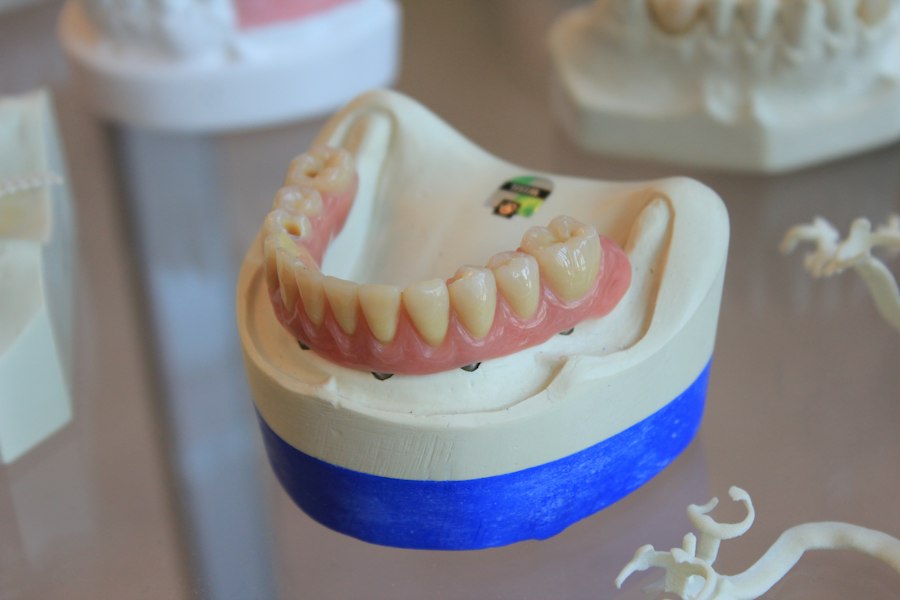
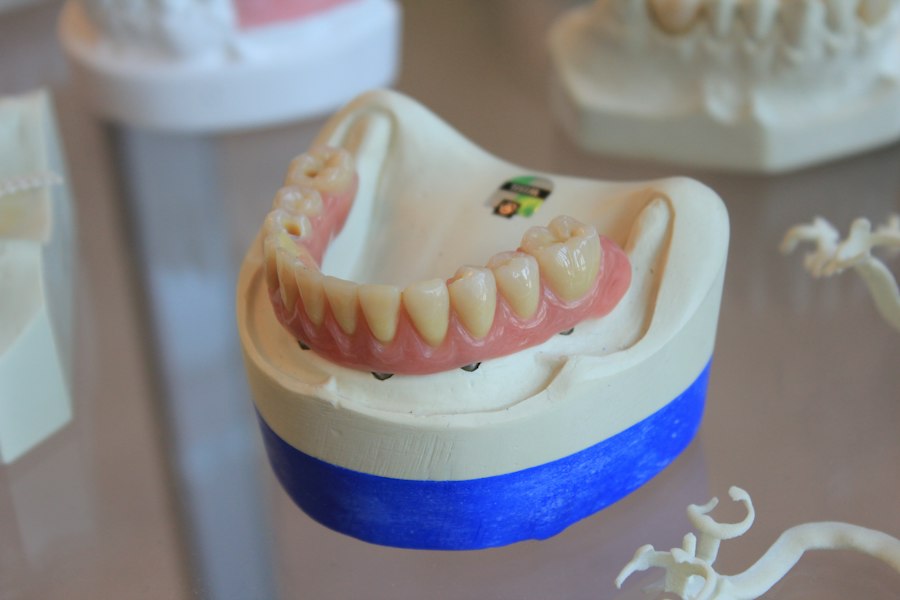
How Can You Whiten Dentures? Effective Tips and Methods Explained

Maintaining a bright smile is essential for confidence, and that includes keeping dentures looking their best. Over time, dentures can discolour due to food, drink, and natural wear. This article explores effective methods for whitening dentures, ensuring they remain fresh and vibrant, so wearers can smile with pride.

Understanding Denture Discoloration

Denture discoloration often arises from exposure to numerous factors throughout daily use. Maintaining a bright and clean appearance is crucial for the confidence of denture wearers.

Common Causes of Staining

Staining occurs due to multiple influences, including:

  • Food and Drink: Beverages such as coffee, tea, and red wine can cause significant discolouration. Foods rich in colour, like berries and tomato sauces, contribute as well.
  • Tobacco Use: Smoking or chewing tobacco leads to brownish stains that can be difficult to remove.
  • Poor Hygiene Practices: Irregular cleaning can allow plaque and bacteria to build up, causing yellowing or greying of dentures.
  • Aging: Over time, materials in dentures can become porous, leading to increased absorption of pigments from various sources.

When it comes to maintaining the brightness of false teeth dentures, consulting a professional like Radiant Smiles Dental Care can provide personalized advice and safe, effective treatments for whitening.

Types of Dentures Affected

Different denture types may experience varied levels of discoloration, including:

  • Acrylic Dentures: These often stain easily due to their porous nature, making them susceptible to various pigments.
  • Porcelain Dentures: While more resistant to staining, they can still show discolouration from improper care or exposure to certain substances.
  • Immediate Dentures: Newly placed immediate dentures may show more staining initially as they adapt to the wearer’s mouth.

Understanding these aspects can help denture wearers take preventative measures against discolouration.

Methods for Whitening Dentures

Whitening dentures can enhance their appearance and maintain the wearer’s confidence. Several effective methods exist to achieve this, ranging from home remedies to professional treatments.

Home Remedies

  • Baking Soda: Mix baking soda with water to form a paste. Apply this paste to the dentures and scrub gently with a soft toothbrush to help remove stains.
  • Vinegar: Soak dentures in a solution of equal parts vinegar and water for 30 minutes. Rinse thoroughly afterwards to eliminate odours.
  • Hydrogen Peroxide: Use a 3% hydrogen peroxide solution to soak dentures for a few minutes. This method aids in whitening and disinfecting.
  • Lemon Juice: Combine lemon juice with baking soda to create a paste. Apply it to the dentures, allowing it to sit for a few minutes before rinsing off.
  • Salt and Water: Create a saline solution by mixing salt with warm water to soak the dentures. This can help eliminate surface stains.

Professional Whitening Options

  • Whitening Gel Treatments: Dentists offer whitening gels specifically designed for dentures. These gels contain bleaching agents that can significantly brighten denture materials.
  • Ultrasonic Cleaners: Professional dental clinics often use ultrasonic cleaners that remove stains and debris from dentures effectively without damaging them.
  • Customised Whitening Trays: Dentists can create personalised trays that fit securely over the dentures, allowing for more effective whitening with professional-grade products.
  • In-Office Whitening Procedures: Dental professionals may perform in-office whitening treatments that can provide immediate and noticeable results.
  • Replacement Options: If existing dentures are severely discoloured and whitening proves ineffective, dentists may suggest replacement options using more colour-resistant materials.

Utilising these methods can keep dentures looking fresh and vibrant for their wearers.

Tips for Maintaining Whiteness

Dentures require regular care to maintain their whiteness and overall appearance. Following specific routines and avoiding certain foods can keep them looking their best.

Daily Cleaning Routines

Daily cleaning helps prevent stains and discolouration. Brush dentures with a soft-bristled toothbrush and non-abrasive denture cleanser, focusing on all surfaces. Rinsing the dentures thoroughly after meals removes food particles that can lead to staining. Soaking dentures in a mild cleaning solution for a few minutes each day also assists in maintaining their appearance. Regularly replacing the cleaning solution prevents bacterial growth and preserves freshness.

Avoiding Staining Foods and Drinks

Identifying staining foods and drinks promotes denture care. Common culprits such as coffee, tea, red wine, and highly pigmented sauces can discolour dentures. Limiting consumption of these items reduces the risk of stains. For those who choose to consume such substances, rinsing the mouth with water immediately afterwards can minimise contact with the dentures. Similarly, quitting tobacco products helps prevent stubborn stains and maintains denture brightness.

Safety Considerations

Ensuring the safety of denture whitening processes is crucial for maintaining oral health. Users must be aware of the potential risks associated with certain whitening methods.

Potential Risks of Whitening

Whitening dentures can pose several risks. Overuse of abrasive substances can cause surface scratches, leading to increased discolouration and bacterial growth. Chemical whiteners may cause damage to denture materials, particularly if used improperly. Some products might contain harsh ingredients that induce allergic reactions or irritations in sensitive individuals. Denture wearers must consult their dentists before starting any whitening treatment to avoid complications.

Recommended Products

Selecting appropriate whitening products enhances safety and effectiveness. Denture cleansers containing gentle abrasives or enzymatic formulas are advisable for regular use. Specific whitening gels designed for dentures should be preferred over general teeth whitening products. Ensure compliance with manufacturer guidelines regarding application frequency. Dentists may recommend professional whitening options, which offer controlled and safe techniques to achieve optimal results without jeopardising the integrity of the dentures.

Conclusion

Whitening dentures is essential for maintaining their appearance and ensuring wearers feel confident. By understanding the causes of discolouration and employing effective whitening methods, individuals can restore their dentures to a vibrant state. Regular cleaning routines and preventive measures play a significant role in keeping dentures looking their best.

Consulting a dental professional before starting any whitening treatment is crucial for avoiding potential complications. With the right care and attention, denture wearers can enjoy a bright smile that reflects their confidence and enhances their overall well-being.

Frequently Asked Questions

What causes dentures to discolour over time?

Denture discolouration can occur due to various factors including exposure to staining foods and drinks, tobacco use, poor hygiene practices, and the natural ageing of materials. Acrylic dentures are particularly susceptible to discolouration because of their porous nature.

How can I whiten my dentures at home?

You can whiten your dentures at home using several effective methods. These include baking soda, vinegar, hydrogen peroxide, lemon juice, and a saltwater solution. These remedies help remove stains and maintain the freshness of your dentures.

Are there professional options for whitening dentures?

Yes, professional whitening options for dentures include whitening gel treatments, ultrasonic cleaners, customised whitening trays, and in-office whitening procedures. Dentists can recommend the best approach based on your specific denture material and condition.

How can I maintain the whiteness of my dentures?

To maintain denture whiteness, establish a daily cleaning routine that involves brushing with a soft-bristled toothbrush and a non-abrasive cleanser. Rinse after meals, soak in mild cleaning solutions, and avoid staining foods and drinks.

What should I avoid to prevent staining my dentures?

To prevent staining, avoid foods and drinks like coffee, tea, and red wine. Rinse your mouth after consuming such items to minimise discolouration. Quitting tobacco products is also recommended to keep dentures bright.

Is it safe to use chemical whiteners on dentures?

While some chemical whiteners can be effective, improper use may damage your dentures. It’s important to consult with your dentist before using any whitening treatments to avoid potential risks such as scratches or deterioration.

When should I consult a dentist about discoloured dentures?

Consult your dentist if home whitening methods are ineffective or if you notice significant discolouration. They can assess your dentures and recommend professional treatments or replacement options with more colour-resistant materials.

Do You Have to Use Sleeves on an Intraoral Camera? Essential Hygiene Tips

Intraoral cameras have transformed dental practices by enhancing patient communication and treatment accuracy. A common question arises: do dental professionals need to use sleeves on these devices? Understanding the importance of sleeves not only ensures patient safety but also maintains the camera’s longevity and hygiene standards, making it crucial for every practice.

Modern clinics often rely on advanced tools like the ProDENT intraoral dental camera, which delivers high-quality imaging for diagnostics while supporting hygiene protocols through compatible disposable sleeves. These innovations play a vital role in ensuring both precision and patient safety during examinations.

Understanding Intraoral Cameras

Intraoral cameras are essential tools in modern dental practices, enhancing diagnostic capabilities and improving patient engagement. These small, lightweight devices capture detailed images of a patient’s oral cavity, allowing dentists to identify issues such as cavities, gum disease, and even oral cancer.

Benefits of Intraoral Cameras

  1. Enhanced Visualization: Intraoral cameras provide high-resolution images, offering a clear view of hard-to-see areas. Dentists can assess conditions with precision.
  2. Improved Patient Communication: Visual aids help patients understand diagnoses and treatment plans. Patients are more likely to engage in their oral health when they see the issues firsthand.
  3. Increased Efficiency: Intraoral cameras streamline the examination process. Dentists can quickly capture and display images, aiding in faster decision-making.

Hygiene Considerations

Hygiene is crucial when using intraoral cameras. Utilizing disposable sleeves helps maintain cleanliness and prevents cross-contamination. Sleeves protect both the camera and the patient, ensuring safe and hygienic examinations. Regular cleaning of the camera between uses further supports hygiene standards.

Maintenance and Longevity

Proper maintenance extends the lifespan of an intraoral camera. Using protective sleeves prevents wear and tear from saliva and other contaminants. Regularly servicing the camera assures optimal functionality, safeguarding investment in quality dental technology.

The Importance of Infection Control

Infection control is vital in dental practices, especially when using intraoral cameras. Implementing safety measures protects both patients and dental staff from potential pathogens.

Single-Use vs. Reusable Sleeves

Single-use sleeves offer a straightforward solution by providing a fresh barrier for each patient. These disposable options efficiently reduce the risk of cross-contamination. Reusable sleeves, while eco-friendly and cost-effective, require thorough cleaning and sterilization after each use. Failure to maintain reusable sleeves properly increases infection risk. Many dental professionals prefer single-use sleeves for their ease and reliability, ensuring compliance with strict hygiene standards.

Benefits of Using Sleeves

Using sleeves on intraoral cameras enhances infection control by providing a protective layer against saliva and debris. Sleeves simplify cleanup procedures, allowing quick transitions between patients. Additionally, they minimize wear on the camera, thereby prolonging its lifespan. Ensuring cameras remain in optimal condition supports diagnostic accuracy and operational efficiency, reinforcing the importance of consistent infection control practices in dental settings.

Do You Have to Use Sleeves on an Intraoral Camera?

Using sleeves on an intraoral camera is crucial for maintaining hygiene and ensuring patient safety. Dental professionals prioritize infection control and device longevity through proper usage of protective barriers.

Regulatory Guidelines

Regulatory bodies such as the Centers for Disease Control and Prevention (CDC) recommend the use of barriers to minimize contamination risk during dental procedures. These guidelines stress the importance of infection control practices to protect both patients and healthcare providers. Meeting such regulations often involves utilizing disposable sleeves, which provide a sterile barrier for each patient, significantly lowering cross-contamination possibilities.

Professional Recommendations

Many dental organizations endorse the use of single-use sleeves. These sleeves allow for quick and efficient cleanup, enabling dental practices to maintain high standards of hygiene. They reduce the likelihood of pathogens transferring from one patient to another. Professionals frequently favor these disposable options over reusable sleeves due to their simplicity and effectiveness in meeting stringent infection control requirements. Employing sleeves also extends the lifespan of the intraoral camera by protecting it from saliva, debris, and cleaning agents, leading to consistent, high-quality diagnostic imaging.

Alternatives to Using Sleeves

Dental professionals can consider alternatives to using sleeves on intraoral cameras while maintaining hygiene and patient safety.

  • Regular Cleaning Protocols: Implementing strict cleaning protocols for reusable intraoral camera components can help maintain hygiene. This involves using hospital-grade disinfectants and following manufacturer guidelines to ensure thorough decontamination between patients.
  • Antimicrobial Coatings: Some intraoral cameras feature antimicrobial coatings on their surfaces. These coatings inhibit bacterial growth, reducing contamination risks. Although these coatings provide additional safety, they do not eliminate the need for regular cleaning.
  • Dedicated Cameras for Each Patient: In specific situations, a dedicated intraoral camera for each patient might be feasible. This approach minimizes cross-contamination. However, it often limits the practicality for busy practices due to equipment costs and storage requirements.
  • Patient Education and Consent: Educating patients about infection control practices can improve their comfort levels. Clear communication regarding the use of intraoral cameras and safety measures taken can improve patient trust.

While alternatives exist, they may not fully address the infection control considerations that single-use sleeves provide. Maintaining high hygiene standards remains crucial in dental practices, ensuring the safety of patients and staff alike.

Conclusion

Using sleeves on intraoral cameras is crucial for maintaining hygiene and ensuring patient safety. These protective barriers not only prevent cross-contamination but also extend the camera’s lifespan. Dental professionals should prioritize infection control practices to safeguard both patients and staff. While alternatives exist, they often fall short in addressing the comprehensive hygiene needs of a busy dental practice. Embracing single-use sleeves aligns with best practices endorsed by health organizations, reinforcing the commitment to high standards in patient care. Ultimately, the choice to use sleeves enhances both the efficiency and effectiveness of dental examinations.

Frequently Asked Questions

What is an intraoral camera, and how is it used in dentistry?

An intraoral camera is a small, handheld device that allows dentists to capture detailed images of a patient’s mouth and teeth. It enhances diagnostic capabilities and helps in visual communication with patients regarding their oral health.

Why are sleeves important for intraoral cameras?

Sleeves are crucial for intraoral cameras because they prevent cross-contamination, maintain hygiene, and protect the camera from saliva and debris, thus prolonging its lifespan.

What are the benefits of using intraoral cameras in dental practices?

Intraoral cameras improve patient communication by providing visual aids, enhance visualization of dental issues, and increase efficiency during examinations, leading to better diagnostic accuracy and patient engagement.

What is the difference between single-use and reusable sleeves for intraoral cameras?

Single-use sleeves provide a fresh barrier for each patient, minimizing contamination risks. Reusable sleeves are more eco-friendly and cost-effective but require thorough cleaning and sterilization after each use to ensure hygiene.

How do disposable sleeves enhance infection control?

Disposable sleeves create a protective barrier that prevents the transfer of saliva and other contaminants, significantly reducing the risk of cross-contamination between patients and maintaining hygiene standards in dental practices.

Are there alternatives to using sleeves on intraoral cameras?

Alternatives include strict cleaning protocols for reusable sleeves, antimicrobial coatings, and dedicated cameras for each patient. However, these approaches may be less practical in busy dental practices.

What do regulatory bodies recommend regarding intraoral camera hygiene?

Organizations like the CDC recommend using barriers, such as sleeves, to minimize contamination risks during dental procedures. They emphasize the importance of infection control practices to protect both patients and healthcare providers.

abcdhe 18

The Cost of a Perfect Smile: Understanding Why Dental Implants Are Expensive in Australia

A perfect smile is something that many people desire. It can boost confidence, improve self-esteem, and enhance overall appearance. However, not everyone is born with a perfect set of teeth. Dental issues such as missing teeth, gaps, or misalignment can affect the aesthetics of a smile. This is where dental implants come in.

Dental implants are an effective solution for replacing missing teeth and restoring a natural-looking smile. They are artificial tooth roots that are surgically placed into the jawbone to support a replacement tooth or bridge. Unlike dentures or bridges, dental implants are a permanent solution that looks and feels like natural teeth.

Key Takeaways

  • Dental implants are important for achieving a perfect smile and restoring oral health.
  • Dental implants are artificial tooth roots that are surgically placed into the jawbone to support replacement teeth.
  • The cost of dental implants in Australia varies based on factors such as the number of implants needed, the materials used, and the surgeon’s fees.
  • Dental implants can be made from materials such as titanium, zirconia, and ceramic, each with their own benefits and drawbacks.
  • Advancements in technology have made dental implant surgery more precise and efficient, but can also impact the overall cost of treatment.

What Are Dental Implants and How Do They Work?

Dental implants are titanium posts that are surgically inserted into the jawbone to replace the root of a missing tooth. The process of getting dental implants involves several steps. First, the dentist will assess the patient’s oral health and determine if they are a suitable candidate for dental implants. If so, they will create a treatment plan tailored to the patient’s needs.

During the surgery, the dentist will make an incision in the gum to expose the jawbone. They will then drill a hole into the bone and place the implant securely into it. Over time, the implant will fuse with the bone through a process called osseointegration, which provides stability and strength.

Once the implant has fully integrated with the bone, an abutment is attached to it. The abutment serves as a connector between the implant and the replacement tooth or bridge. Finally, a custom-made crown or bridge is placed on top of the abutment to complete the restoration.

There are different types of dental implants available, depending on the patient’s needs and preferences. Endosteal implants are the most common type and are placed directly into the jawbone. Subperiosteal implants are placed on top of the jawbone, but underneath the gum tissue. Both types of implants can provide excellent results, but the dentist will determine which option is best for each individual case.

The Cost of Dental Implants in Australia: Factors to Consider

The cost of dental implants in Australia can vary depending on several factors. These factors include the number of implants needed, the complexity of the case, the location of the dental clinic, and the experience of the dentist. It is important to consider these factors when determining the cost of dental implants.

On average, the cost of a single dental implant in Australia can range from $3,000 to $6,000. This cost includes the surgery, implant placement, abutment, and crown or bridge. However, additional costs may be incurred for pre-surgery procedures such as X-rays or CT scans, as well as post-surgery expenses such as follow-up appointments and maintenance.

It is worth noting that dental implant treatment is an investment in long-term oral health and aesthetics. While the upfront cost may seem high, dental implants offer a permanent solution that can last a lifetime with proper care. In comparison, other tooth replacement options such as dentures or bridges may require frequent repairs or replacements, which can add up over time.

Understanding the Materials Used in Dental Implants

Material Advantages Disadvantages
Titanium Durable, biocompatible, corrosion-resistant Expensive, difficult to shape
Zirconia Strong, biocompatible, tooth-colored Brittle, difficult to shape, may cause wear on opposing teeth
Porcelain Tooth-colored, biocompatible Brittle, may chip or crack
Gold Durable, biocompatible Expensive, may not match natural teeth

Dental implants are typically made from titanium, a biocompatible material that is well-tolerated by the body. Titanium implants have been used for decades and have a high success rate. However, there are also other materials used in dental implants, each with its own pros and cons.

Zirconia implants are an alternative to titanium implants. They are made from zirconium dioxide, a ceramic material that is known for its strength and durability. Zirconia implants are white in color and can provide a more natural-looking result, especially for patients with thin or translucent gum tissue. However, they are more expensive than titanium implants and may not be suitable for all cases.

Another material used in dental implants is porcelain-fused-to-metal (PFM). These implants have a metal base covered with a layer of porcelain. PFM implants can provide a natural-looking result and are often used for front teeth restorations. However, the porcelain layer may wear down over time, requiring replacement.

It is important to discuss the different materials with your dentist and determine which option is best for your specific case. Factors such as aesthetics, durability, and cost should be taken into consideration when choosing the material for your dental implants.

The Role of Technology in Dental Implants and Its Impact on Cost

Technological advancements have greatly improved the process of dental implant surgery. One such advancement is the use of computer-guided implant placement. This technology allows dentists to plan the implant surgery using 3D imaging software, which provides a detailed view of the patient’s jawbone and surrounding structures.

Computer-guided implant placement offers several benefits. It allows for precise implant positioning, reducing the risk of complications and improving the overall success rate of the procedure. It also enables dentists to create a virtual treatment plan, which can be shared with the patient to ensure their understanding and satisfaction.

However, the use of technology in dental implant surgery can also increase the cost. The equipment and software required for computer-guided implant placement can be expensive, and this cost may be passed on to the patient. Additionally, the training and expertise required to use this technology effectively may also contribute to higher fees.

Despite the potential increase in cost, the use of technology in dental implant surgery can provide significant advantages. It improves accuracy, reduces surgical time, and enhances patient outcomes. Therefore, it is important to weigh the benefits against the costs when considering dental implant treatment.

The Cost of Dental Implant Surgery: Surgeon’s Fees and Anesthesia

The cost of dental implant surgery includes the fees charged by the surgeon and the cost of anesthesia. Surgeon’s fees can vary depending on the experience and expertise of the dentist, as well as the complexity of the case. An experienced dentist with a high success rate may charge higher fees, but this can provide peace of mind knowing that you are in capable hands.

Anesthesia costs for dental implant surgery can also vary. Local anesthesia is typically used to numb the area during the surgery, but some patients may require sedation or general anesthesia for more complex cases. The type of anesthesia used will depend on the patient’s comfort level and the recommendation of the dentist or oral surgeon.

It is important to discuss the fees and anesthesia options with your dentist before undergoing dental implant surgery. They should provide a detailed breakdown of the costs involved and explain any additional fees that may be incurred. This will help you make an informed decision and avoid any surprises when it comes to billing.

Additional Costs Associated with Dental Implant Treatment

In addition to the cost of the dental implant surgery itself, there may be additional costs associated with dental implant treatment. These costs can include pre-surgery procedures such as X-rays or CT scans, as well as post-surgery expenses such as follow-up appointments and maintenance.

Before undergoing dental implant surgery, your dentist may recommend diagnostic imaging to assess the condition of your jawbone and determine if any additional procedures are needed. This can include X-rays or CT scans, which can add to the overall cost of treatment.

After the surgery, regular follow-up appointments will be necessary to monitor the healing process and ensure the success of the implants. These appointments may involve X-rays or other diagnostic tests to assess the integration of the implants with the bone. Additionally, maintenance procedures such as professional cleanings or adjustments may be required to keep the implants in optimal condition.

It is important to factor in these additional costs when considering dental implant treatment. While they may increase the overall cost, they are necessary for the long-term success and maintenance of the implants.

Insurance Coverage for Dental Implants in Australia

Insurance coverage for dental implants in Australia can vary depending on the individual insurance plan. Some insurance plans may provide partial coverage for dental implant treatment, while others may not cover it at all. It is important to review your insurance policy and understand what is covered before undergoing dental implant surgery.

In general, dental implant treatment is considered a major dental procedure and may fall under the category of major restorative or prosthetic services. These services typically have higher out-of-pocket costs compared to routine dental care such as cleanings or fillings.

If your insurance plan does not cover dental implants, there may be alternative options available. Some dental clinics offer financing plans or payment options to help make the cost of treatment more manageable. It is worth exploring these options and discussing them with your dentist.

Alternatives to Dental Implants: Are They More Affordable?

While dental implants are a highly effective solution for tooth replacement, they may not be the most affordable option for everyone. There are alternative options available that may be more cost-effective, depending on the individual case.

One alternative to dental implants is a removable partial denture. This is a removable appliance that replaces one or more missing teeth. It consists of artificial teeth attached to a metal or acrylic base that matches the color of the gums. Removable partial dentures are less expensive than dental implants but may not provide the same level of stability and comfort.

Another alternative is a fixed bridge, which is a non-removable appliance that replaces one or more missing teeth. A fixed bridge consists of artificial teeth that are attached to adjacent natural teeth or dental implants. While a fixed bridge can provide good aesthetics and function, it requires the alteration of healthy teeth to support the bridge.

It is important to discuss these alternative options with your dentist and consider the long-term implications. While they may be more affordable upfront, they may require frequent repairs or replacements, which can add to the overall cost over time.

Weighing the Benefits and Costs of Dental Implants for a Perfect Smile

Dental implants offer a permanent solution for replacing missing teeth and achieving a perfect smile. They provide numerous benefits, including improved aesthetics, enhanced self-confidence, and restored oral function. However, the cost of dental implants in Australia can be a significant investment.

When considering dental implant treatment, it is important to weigh the benefits against the costs. Dental implants offer long-term durability and aesthetics, which can outweigh the upfront cost. Additionally, technological advancements have improved the success rate and efficiency of dental implant surgery.

It is also important to consider alternative options and their associated costs. While dental implants may be more expensive upfront, they offer a permanent solution that can last a lifetime with proper care. Other options such as dentures or bridges may require frequent repairs or replacements, which can add up over time.

Ultimately, the decision to get dental implants should be based on individual needs, preferences, and budget. Consulting with a qualified dentist and discussing all available options will help make an informed decision about achieving a perfect smile through dental implant treatment.

If you’re wondering why dental implants are so expensive in Australia, you may want to check out this informative article on the Summer Reading Club website. It delves into the factors that contribute to the high cost of dental implants and provides insights into the pricing structure. Understanding these reasons can help you make an informed decision about your dental health. So, click here to read the article: Why Are Dental Implants So Expensive in Australia?

FAQs

What are dental implants?

Dental implants are artificial tooth roots that are placed into the jawbone to support a replacement tooth or bridge.

Why are dental implants so expensive in Australia?

Dental implants are expensive in Australia due to several factors, including the cost of materials, the expertise required to perform the procedure, and the high standards of hygiene and safety that must be maintained.

What is the average cost of dental implants in Australia?

The average cost of dental implants in Australia can range from $3,000 to $6,500 per tooth, depending on the complexity of the procedure and the materials used.

Are dental implants covered by insurance in Australia?

Dental implants are not typically covered by insurance in Australia, as they are considered a cosmetic procedure. However, some private health insurance plans may offer partial coverage for dental implants.

What are the benefits of dental implants?

Dental implants offer several benefits, including improved appearance, better speech, increased comfort, and improved oral health. They also have a high success rate and can last for many years with proper care.

What are the risks associated with dental implants?

Like any surgical procedure, dental implants carry some risks, including infection, nerve damage, and implant failure. However, these risks are relatively low and can be minimized with proper planning and care.

abcdhe 16

Smile Confidently: Understanding How Dental Implants Work

Dental implants have revolutionized the field of dentistry, providing a long-lasting and effective solution for tooth replacement. Whether you have lost a tooth due to decay, injury, or other dental issues, dental implants offer a natural-looking and functional alternative to traditional dentures or bridges. In this article, we will explore what dental implants are, their benefits, the implant process, different types of implants available, eligibility criteria, and how to care for your dental implants.

Key Takeaways

  • Dental implants are artificial tooth roots that are surgically placed into the jawbone to support a replacement tooth or bridge.
  • The benefits of dental implants include improved appearance, speech, comfort, and oral health, as well as increased durability and convenience compared to other tooth replacement options.
  • The dental implant process involves a consultation, evaluation, surgery, and follow-up care, and can take several months to complete.
  • There are several types of dental implants available, including endosteal, subperiosteal, and zygomatic implants, each with their own advantages and considerations.
  • Dental implants may be a good option for those with missing teeth or who are unhappy with their current tooth replacement options, but it is important to consult with a qualified dental implant specialist to determine if they are right for you.

What are dental implants?

Dental implants are artificial tooth roots that are surgically placed into the jawbone to support a replacement tooth or bridge. They are typically made of titanium, a biocompatible material that fuses with the jawbone through a process called osseointegration. This provides a strong and stable foundation for the replacement tooth.

The dental implant consists of three main components: the implant itself, the abutment, and the crown. The implant is the titanium post that is inserted into the jawbone. The abutment is a connector that attaches to the implant and holds the crown in place. The crown is the visible part of the implant that looks and functions like a natural tooth.

The benefits of dental implants

Dental implants offer numerous benefits compared to other tooth replacement options. Firstly, they improve your appearance by providing a natural-looking and seamless smile. Unlike dentures or bridges, dental implants are designed to blend in with your existing teeth, giving you a more youthful and attractive appearance.

Secondly, dental implants enhance your oral health by preventing bone loss and preserving the integrity of your jawbone. When you lose a tooth, the surrounding bone can deteriorate over time. Dental implants stimulate bone growth and prevent further bone loss, maintaining the structure of your face and preventing sagging or sunken cheeks.

Thirdly, dental implants provide increased comfort and convenience compared to dentures or bridges. They are securely anchored in your jawbone, eliminating the need for messy adhesives or uncomfortable clasps. With dental implants, you can eat, speak, and smile with confidence, knowing that your replacement teeth are stable and secure.

Lastly, dental implants are a long-lasting solution for tooth replacement. With proper care and maintenance, dental implants can last a lifetime. Unlike dentures or bridges that may need to be replaced every few years, dental implants offer a permanent and durable solution.

Understanding the dental implant process

Stage Description Success Rate
Consultation The dentist evaluates the patient’s oral health and determines if they are a good candidate for dental implants. 95%
Implant Placement The dentist surgically places the implant into the jawbone. 98%
Osseointegration The implant fuses with the jawbone over a period of several months. 95%
Abutment Placement The dentist attaches the abutment to the implant, which will hold the crown or bridge in place. 98%
Crown or Bridge Placement The dentist places the crown or bridge onto the abutment, completing the dental implant process. 99%

The dental implant process typically involves several stages and can take several months to complete. The first step is an initial consultation with a dental implant specialist. During this consultation, the dentist will evaluate your oral health, take x-rays or CT scans of your jawbone, and discuss your treatment options.

Once you have been deemed eligible for dental implants, the next step is the implant placement surgery. This is done under local anesthesia to ensure a pain-free experience. The dentist will make an incision in your gum to expose the jawbone and then drill a hole to insert the implant. After the implant is placed, the gum is stitched back together, and a temporary crown or bridge may be placed over the implant site.

The healing process is crucial for the success of dental implants. It typically takes several months for the implant to fuse with the jawbone through osseointegration. During this time, you will need to follow post-operative instructions provided by your dentist, such as avoiding hard or chewy foods and practicing good oral hygiene.

Once the implant has fully integrated with the jawbone, the next step is to place the abutment and crown. The abutment is attached to the implant and serves as a connector between the implant and the crown. The crown is custom-made to match your existing teeth in color, shape, and size. Once the crown is placed on top of the abutment, your dental implant is complete.

Types of dental implants available

There are several types of dental implants available, depending on your specific needs and oral health condition. The most common type is endosteal implants, which are placed directly into the jawbone. These implants are typically made of titanium and are the most widely used type of dental implant.

Another type of dental implant is subperiosteal implants, which are placed on top of the jawbone but underneath the gum tissue. These implants are suitable for patients who have a shallow jawbone or do not want to undergo bone grafting.

Zygomatic implants are a specialized type of dental implant that is used when there is not enough bone in the upper jaw to support traditional implants. Instead of being placed in the jawbone, zygomatic implants are anchored in the cheekbone (zygoma) to provide stability for the replacement teeth.

Are dental implants right for you?

While dental implants offer numerous benefits, they may not be suitable for everyone. There are several factors to consider when determining if dental implants are right for you. Firstly, you need to have good oral health and a strong jawbone to support the implant. If you have gum disease or insufficient bone density, you may need additional treatments such as bone grafting or periodontal therapy before getting dental implants.

Secondly, your overall health plays a role in determining your eligibility for dental implants. Certain medical conditions such as uncontrolled diabetes or autoimmune disorders may affect the success of the implant surgery. It is important to discuss your medical history with your dentist to ensure that dental implants are a safe option for you.

Lastly, it is essential to consider your lifestyle and personal preferences when deciding on tooth replacement options. Dental implants require a commitment to good oral hygiene practices and regular dental check-ups. If you are not willing or able to maintain proper oral hygiene or visit the dentist regularly, dental implants may not be the best choice for you.

If dental implants are not suitable for you, there are alternative options available such as dentures or bridges. These options may be more appropriate for individuals with certain health conditions or those who prefer a less invasive treatment.

How to prepare for a dental implant procedure

Preparing for a dental implant procedure involves following pre-operative instructions provided by your dentist. These instructions may include avoiding certain medications or dietary restrictions to ensure a successful surgery.

Before the implant placement surgery, your dentist may ask you to stop taking certain medications that can interfere with the healing process, such as blood thinners or anti-inflammatory drugs. It is important to inform your dentist about any medications or supplements you are currently taking to ensure a safe and successful procedure.

In addition, your dentist may recommend dietary restrictions before the surgery. This may include avoiding hard or chewy foods that can put stress on the implant site and hinder the healing process. It is important to follow these dietary restrictions to minimize the risk of complications during and after the surgery.

The cost of dental implants

The cost of dental implants can vary depending on several factors, including the number of implants needed, the complexity of the case, and the location of the dental practice. On average, a single dental implant can cost anywhere from $1,000 to $3,000. However, this does not include additional costs such as consultations, x-rays, or the placement of the abutment and crown.

Factors that can affect the cost of dental implants include the need for bone grafting or other additional procedures, the type of implant used, and any necessary pre-operative or post-operative treatments. It is important to discuss the cost of dental implants with your dentist and inquire about any financing options that may be available.

Many dental practices offer financing options to help make dental implants more affordable. This can include payment plans or third-party financing options that allow you to spread out the cost of the treatment over time. It is important to discuss these options with your dentist and determine the best payment plan for your budget.

In terms of insurance coverage, dental implants are typically considered a cosmetic procedure and may not be fully covered by dental insurance. However, some insurance plans may provide partial coverage for the implant surgery or the crown portion of the treatment. It is important to check with your insurance provider to understand what is covered and what out-of-pocket expenses you may incur.

Caring for your dental implants

Proper care and maintenance are essential for the long-term success of dental implants. This includes practicing good oral hygiene, scheduling regular dental check-ups, and making certain lifestyle changes.

To care for your dental implants, it is important to brush and floss regularly. Use a soft-bristle toothbrush and non-abrasive toothpaste to clean around the implant and crown. Be sure to clean all surfaces of the implant, including the abutment and crown, to remove any plaque or bacteria that can cause gum disease or implant failure.

In addition to regular brushing and flossing, it is important to schedule regular dental check-ups with your dentist. During these check-ups, your dentist will examine your dental implants, clean them professionally, and ensure that they are functioning properly. Regular check-ups allow your dentist to detect any potential issues early on and provide appropriate treatment.

Lifestyle changes can also contribute to the long-term success of dental implants. Avoid smoking or using tobacco products, as they can increase the risk of implant failure. Limit your consumption of sugary foods and drinks, as they can contribute to tooth decay and gum disease. Maintaining a healthy lifestyle overall, including a balanced diet and regular exercise, can also support the health of your dental implants.

Common concerns and misconceptions about dental implants

There are several common concerns and misconceptions about dental implants that may deter some individuals from considering them as a tooth replacement option. However, it is important to address these concerns and provide accurate information to help individuals make an informed decision.

One common concern is the pain and discomfort associated with dental implant surgery. While the surgery itself is performed under local anesthesia, some discomfort and swelling can be expected during the healing process. However, this can be managed with over-the-counter pain medications and following post-operative instructions provided by your dentist.

Another concern is the failure rates of dental implants. While dental implants have a high success rate, there is a small risk of implant failure. Factors that can contribute to implant failure include poor oral hygiene, smoking, certain medical conditions, and insufficient bone density. It is important to follow proper oral hygiene practices and maintain regular dental check-ups to minimize the risk of implant failure.

Some individuals may also have concerns about allergies or reactions to the materials used in dental implants. Titanium, the most commonly used material for dental implants, is biocompatible and rarely causes allergic reactions. However, if you have a known allergy to titanium or other metals, it is important to discuss this with your dentist to explore alternative options.

Finding a qualified dental implant specialist

Finding a qualified dental implant specialist is crucial for the success of your dental implant treatment. When searching for a dentist who specializes in dental implants, there are several credentials to look for.

Firstly, ensure that the dentist has received proper training and education in implant dentistry. Look for dentists who have completed additional courses or certifications in implantology and have experience performing dental implant surgeries.

Referrals and recommendations from friends, family, or other healthcare professionals can also be helpful in finding a qualified dental implant specialist. Ask for recommendations from individuals who have had successful dental implant treatments and inquire about their experience with the dentist.

Researching online can also provide valuable information about dental implant specialists in your area. Read patient reviews and testimonials to get an idea of the dentist’s reputation and the quality of their work. Look for before and after photos of dental implant cases to assess the dentist’s skill and expertise.

Dental implants offer a long-lasting and effective solution for tooth replacement, providing numerous benefits such as improved appearance, enhanced oral health, increased comfort and convenience, and a permanent solution. Understanding the dental implant process, different types of implants available, eligibility criteria, and how to care for your dental implants is essential in making an informed decision.

While dental implants may not be suitable for everyone, they are a viable option for many individuals who have lost a tooth or multiple teeth. By following proper oral hygiene practices, scheduling regular dental check-ups, and making certain lifestyle changes, you can ensure the long-term success of your dental implants.

If you are considering dental implants as a tooth replacement option, consult with a qualified dental implant specialist to determine if you are eligible and to discuss your treatment options. With proper care and maintenance, dental implants can provide you with a beautiful and functional smile for years to come.

If you’re curious about how dental implants work, you may also be interested in learning about the benefits of dental implants in Ellenbrook and why you should consider them. This informative article discusses the advantages of dental implants and why they are a popular choice for replacing missing teeth. To read more about this topic, check out this article.

FAQs

What are dental implants?

Dental implants are artificial tooth roots that are surgically placed into the jawbone to support a replacement tooth or bridge.

How do dental implants work?

Dental implants work by fusing with the jawbone through a process called osseointegration. This creates a stable foundation for the replacement tooth or bridge.

What are the benefits of dental implants?

Dental implants offer several benefits, including improved appearance, better speech, easier eating, improved oral health, and increased comfort and convenience.

Who is a good candidate for dental implants?

Good candidates for dental implants are individuals with healthy gums and sufficient bone density to support the implant. They should also be committed to maintaining good oral hygiene and attending regular dental check-ups.

What is the process for getting dental implants?

The process for getting dental implants typically involves a consultation, implant placement surgery, a healing period, and placement of the replacement tooth or bridge.

How long do dental implants last?

Dental implants can last a lifetime with proper care and maintenance, including regular brushing, flossing, and dental check-ups.

Are dental implants covered by insurance?

Dental implant coverage varies by insurance plan. Some plans may cover a portion of the cost, while others may not cover them at all. It is important to check with your insurance provider to determine your coverage.

abcdhe 14

Exploring the Basics of General Dental Care: Tips and Tricks for a Healthy Smile

Dental care is often overlooked when it comes to overall health, but it plays a crucial role in maintaining a healthy body. Poor dental health can lead to a variety of problems, including gum disease, tooth decay, and even systemic health issues such as heart disease and diabetes. Regular dental check-ups and proper oral hygiene practices are essential for preventing these issues and maintaining optimal overall health.

Key Takeaways

  • General dental care is crucial for overall health
  • Understanding teeth and gum anatomy is important for proper care
  • Effective brushing techniques can remove plaque
  • Flossing is key to healthy gums and teeth
  • Mouthwash can be an additional step for optimal oral hygiene

Importance of General Dental Care for Overall Health

The health of our teeth and gums has a direct impact on our overall health. Poor dental health can lead to a variety of problems, including gum disease, tooth decay, and even systemic health issues such as heart disease and diabetes. When we neglect our oral health, bacteria can build up in our mouths and cause inflammation and infection. This can then spread to other parts of the body through the bloodstream, leading to serious health problems.

Regular dental check-ups are an important part of maintaining good oral health. During these visits, dentists can identify any potential issues early on and provide treatment before they become more serious. They can also perform professional cleanings to remove plaque and tartar buildup, which can help prevent gum disease and tooth decay. Additionally, dentists can provide guidance on proper oral hygiene practices and offer advice on how to improve dental health.

Understanding the Anatomy of Teeth and Gums

To understand how to properly care for our teeth and gums, it’s important to have a basic understanding of their anatomy. Teeth are made up of several different parts, including the enamel, dentin, pulp, and roots. The enamel is the outermost layer of the tooth and is the hardest substance in the human body. It protects the inner layers of the tooth from damage.

The gums, also known as gingiva, surround and support the teeth. They are made up of soft tissue that covers the jawbone and helps hold the teeth in place. The gums also protect the roots of the teeth and provide a barrier against bacteria and other harmful substances.

Each part of the teeth and gums plays a crucial role in maintaining dental health. The enamel protects the inner layers of the tooth from damage and decay. The dentin is a softer layer that lies beneath the enamel and contains tiny tubes that connect to the pulp. The pulp is the innermost part of the tooth and contains blood vessels, nerves, and connective tissue. The roots anchor the teeth to the jawbone and provide stability.

Brushing Techniques for Effective Plaque Removal

Brushing Techniques for Effective Plaque Removal Metrics
Brushing time 2 minutes
Brushing frequency twice a day
Brushing pressure gentle
Brushing motion circular or back-and-forth
Brushing angle 45-degree angle towards the gumline
Brushing tools soft-bristled toothbrush or electric toothbrush
Additional tools dental floss or interdental brushes

Brushing our teeth twice a day is one of the most important steps we can take to maintain good oral hygiene. It helps remove plaque, a sticky film of bacteria that forms on our teeth and gums. Plaque can lead to gum disease, tooth decay, and bad breath if not properly removed.

To effectively remove plaque, it’s important to use proper brushing techniques. Start by choosing a soft-bristled toothbrush that fits comfortably in your mouth. Apply a pea-sized amount of fluoride toothpaste to your brush and hold it at a 45-degree angle to your gums. Gently move the brush back and forth in short, circular motions, making sure to brush all surfaces of your teeth.

Pay special attention to the gumline, where plaque tends to accumulate. Use gentle pressure and avoid brushing too hard, as this can damage your gums and tooth enamel. Be sure to brush for at least two minutes each time, focusing on each quadrant of your mouth.

Flossing: The Key to Healthy Gums and Teeth

While brushing is important for removing plaque from the surfaces of our teeth, it doesn’t reach the areas between our teeth where plaque can also accumulate. This is where flossing comes in. Flossing is an essential step in maintaining healthy gums and teeth.

Flossing helps remove plaque and food particles from between our teeth and along the gumline. It also helps prevent gum disease and tooth decay in these hard-to-reach areas. To floss properly, start by taking a piece of dental floss about 18 inches long. Wrap the ends around your middle fingers, leaving about two inches of floss between them.

Gently guide the floss between your teeth, using a back-and-forth motion. Curve the floss around each tooth in a C-shape and slide it up and down to remove plaque and debris. Be sure to floss both sides of each tooth, including the back teeth. Use a fresh section of floss for each tooth to avoid spreading bacteria.

Mouthwash: An Additional Step for Optimal Oral Hygiene

In addition to brushing and flossing, using mouthwash can provide an extra layer of protection for your teeth and gums. Mouthwash helps kill bacteria that can cause gum disease, tooth decay, and bad breath. It can also help freshen your breath and leave your mouth feeling clean.

There are different types of mouthwash available, including antibacterial, fluoride, and cosmetic mouthwashes. Antibacterial mouthwashes contain ingredients that kill bacteria and help prevent gum disease. Fluoride mouthwashes contain fluoride, which helps strengthen tooth enamel and prevent tooth decay. Cosmetic mouthwashes are primarily used to freshen breath and may not provide the same level of protection against bacteria.

To use mouthwash effectively, pour the recommended amount into a cup and swish it around your mouth for about 30 seconds. Be sure to spit it out afterward and avoid swallowing it. Mouthwash should be used as a complement to brushing and flossing, not as a substitute.

The Role of Diet in Dental Health

Our diet plays a significant role in our dental health. Certain foods can promote dental health by providing essential nutrients that strengthen teeth and gums. On the other hand, some foods can harm dental health by promoting plaque buildup and tooth decay.

Foods that promote dental health include those that are rich in calcium, such as dairy products, leafy greens, and almonds. Calcium helps strengthen tooth enamel and protect against tooth decay. Foods that are high in vitamin C, such as citrus fruits and strawberries, can also promote dental health by strengthening gums and preventing gum disease.

On the other hand, foods that can harm dental health include those that are high in sugar and carbohydrates. These foods can feed the bacteria in our mouths, leading to plaque buildup and tooth decay. Examples of these foods include candy, soda, and sugary snacks. It’s important to limit our consumption of these foods and practice good oral hygiene after consuming them.

Preventing Cavities and Tooth Decay

Cavities and tooth decay are common dental problems that can be prevented with proper oral hygiene practices. Cavities occur when plaque buildup on our teeth produces acids that erode the enamel and create small holes or cavities. If left untreated, cavities can lead to tooth decay and even tooth loss.

To prevent cavities and tooth decay, it’s important to practice good oral hygiene. This includes brushing your teeth twice a day with fluoride toothpaste, flossing daily, and using mouthwash as recommended. It’s also important to limit your consumption of sugary foods and drinks, as these can contribute to plaque buildup.

Regular dental check-ups are also essential for preventing cavities and tooth decay. During these visits, dentists can identify any early signs of cavities and provide treatment before they become more serious. They can also perform professional cleanings to remove plaque and tartar buildup.

Managing Bad Breath: Causes and Solutions

Bad breath, also known as halitosis, is a common problem that can be embarrassing and affect our self-confidence. It is often caused by poor oral hygiene, but it can also be a sign of an underlying dental or medical condition. Understanding the causes of bad breath and implementing proper oral hygiene practices can help manage this issue.

Common causes of bad breath include poor oral hygiene, gum disease, dry mouth, and certain foods and drinks. When we don’t brush and floss regularly, bacteria can accumulate in our mouths and produce foul-smelling gases. Gum disease can also cause bad breath due to the buildup of bacteria and plaque.

Dry mouth, or xerostomia, occurs when there is a decrease in saliva production. Saliva helps wash away bacteria and food particles in our mouths, so a lack of saliva can lead to bad breath. Certain foods and drinks, such as garlic and coffee, can also cause temporary bad breath.

To manage bad breath, it’s important to practice good oral hygiene. This includes brushing your teeth twice a day, flossing daily, and using mouthwash as recommended. It’s also important to drink plenty of water to keep your mouth hydrated and stimulate saliva production. If bad breath persists despite these measures, it’s important to see a dentist or doctor to rule out any underlying dental or medical conditions.

Maintaining Healthy Teeth and Gums Between Dental Visits

While regular dental check-ups are important for maintaining good oral health, it’s equally important to take care of your teeth and gums between visits. This includes practicing good oral hygiene habits and making healthy lifestyle choices.

To maintain healthy teeth and gums between dental visits, be sure to brush your teeth twice a day with fluoride toothpaste. Use proper brushing techniques and be thorough in cleaning all surfaces of your teeth. Floss daily to remove plaque from between your teeth and along the gumline. Use mouthwash as recommended to kill bacteria and freshen your breath.

In addition to these oral hygiene practices, it’s important to make healthy lifestyle choices that promote dental health. This includes eating a balanced diet that is rich in nutrients that strengthen teeth and gums. Limit your consumption of sugary foods and drinks, as these can contribute to plaque buildup and tooth decay. Avoid smoking and excessive alcohol consumption, as these can also harm your oral health.

Common Dental Procedures and Treatments for Oral Health

There are several common dental procedures and treatments that may be necessary for maintaining oral health. These procedures can range from routine cleanings and fillings to more complex treatments such as root canals and dental implants.

Routine cleanings, also known as prophylaxis, are performed by dental hygienists to remove plaque and tartar buildup. This helps prevent gum disease and tooth decay. Fillings are used to repair teeth that have been damaged by cavities or trauma. They restore the structure and function of the tooth and prevent further decay.

Root canals are performed when the pulp of a tooth becomes infected or inflamed. During this procedure, the infected or inflamed pulp is removed, and the inside of the tooth is cleaned and sealed. This helps save the tooth from extraction.

Dental implants are used to replace missing teeth. They are surgically placed into the jawbone and act as artificial tooth roots. Once the implant has fused with the bone, a crown is placed on top to restore the appearance and function of the missing tooth.

In conclusion, dental care is an essential part of maintaining overall health. Poor dental health can lead to a variety of problems, including gum disease, tooth decay, and even systemic health issues such as heart disease and diabetes. Regular dental check-ups, proper oral hygiene practices, and a healthy lifestyle are all important for preventing these issues and maintaining optimal overall health. By prioritizing dental care, we can ensure a healthy smile and a healthy body.

If you’re interested in general dental care, you may also want to check out this informative article on the pros and cons of Invisalign treatment in 2021. Invisalign is a popular alternative to traditional braces for straightening teeth, and this article explores whether it’s worth it for you. To learn more, click here.

FAQs

What is general dentistry?

General dentistry is a branch of dentistry that focuses on the prevention, diagnosis, and treatment of oral health issues. It includes routine dental check-ups, cleanings, fillings, extractions, and other basic dental procedures.

What services are offered in general dentistry?

General dentistry services include routine dental check-ups, cleanings, fillings, extractions, root canals, crowns, bridges, dentures, and other basic dental procedures. It also includes oral cancer screenings and education on proper oral hygiene.

What is the role of a general dentist?

The role of a general dentist is to provide comprehensive oral health care to patients of all ages. They diagnose and treat oral health issues, provide preventive care, and educate patients on proper oral hygiene practices.

What is the difference between a general dentist and a specialist?

A general dentist provides comprehensive oral health care to patients of all ages, while a specialist focuses on a specific area of dentistry, such as orthodontics, periodontics, or endodontics. General dentists can perform basic dental procedures, while specialists require additional training and education to perform more complex procedures.

How often should I visit a general dentist?

It is recommended to visit a general dentist every six months for routine dental check-ups and cleanings. However, the frequency of visits may vary depending on the individual’s oral health needs and the dentist’s recommendation.

What are the benefits of general dentistry?

General dentistry helps maintain good oral health, prevents dental problems, and detects oral health issues early on. It also helps improve overall health by reducing the risk of systemic diseases associated with poor oral health. Additionally, regular dental visits can help save money in the long run by preventing costly dental procedures.

abcdhe 11

Understanding the Distinction Between Dental Caps and Crowns: Which One is Right for You?

Dental caps and crowns are common dental treatments used to protect and restore teeth. They are both prosthetic devices that are placed over damaged or decayed teeth to improve their appearance, strength, and function.

A dental cap, also known as a dental crown, is a tooth-shaped cap that is placed over a tooth to restore its shape, size, strength, and appearance. It is typically made from materials such as porcelain, metal, or a combination of both. Dental caps are used to protect weak or damaged teeth, restore broken or worn-down teeth, cover dental implants, and improve the appearance of misshapen or discolored teeth.

Dental caps and crowns play a crucial role in maintaining good dental health. They help to protect and strengthen weakened teeth, preventing further damage and decay. They also restore the function of damaged teeth, allowing patients to chew and speak properly. Additionally, dental caps and crowns can improve the appearance of teeth, boosting self-confidence and overall oral health.

Key Takeaways

  • Dental caps and crowns are used to protect and restore teeth.
  • Caps and crowns differ in material, size, and placement.
  • Caps are recommended for smaller tooth damage, while crowns are recommended for larger damage or after a root canal.
  • Pros and cons of caps and crowns should be considered before choosing a treatment.
  • Caring for caps and crowns involves good oral hygiene and regular dental check-ups.

The Purpose of Dental Caps and Crowns: Protecting and Restoring Teeth

The primary purpose of dental caps and crowns is to protect and restore teeth that have been damaged or weakened due to decay, trauma, or other dental issues. When a tooth is severely decayed or fractured, a dental cap or crown can be used to cover the entire tooth structure above the gum line. This provides added strength and protection to the tooth, preventing further damage or decay.

Dental caps and crowns also help to restore the function of damaged teeth. When a tooth is weakened or broken, it can be difficult to chew food properly or speak clearly. By placing a dental cap or crown over the damaged tooth, its strength and functionality can be restored, allowing patients to eat and speak without discomfort.

In addition to their protective and restorative functions, dental caps and crowns also offer aesthetic benefits. They can improve the appearance of misshapen or discolored teeth, giving patients a more attractive smile. Dental caps and crowns can be customized to match the color, shape, and size of the surrounding natural teeth, creating a seamless and natural-looking result.

The Differences Between Dental Caps and Crowns: Material, Size, and Placement

One of the main differences between dental caps and crowns lies in the materials used to make them. Dental caps are typically made from porcelain or ceramic materials, which can be color-matched to the surrounding teeth for a natural appearance. On the other hand, dental crowns can be made from a variety of materials, including metal alloys, porcelain-fused-to-metal (PFM), or all-ceramic materials. The choice of material depends on factors such as the location of the tooth, the patient’s aesthetic preferences, and their budget.

Another difference between dental caps and crowns is their size and placement. Dental caps are used to cover the entire tooth structure above the gum line, while dental crowns may only cover a portion of the tooth. Dental caps are typically recommended for teeth that are severely damaged or decayed, while dental crowns may be used for less extensive damage or for cosmetic purposes.

When choosing between dental caps and crowns, it is important to consider factors such as the location and condition of the tooth, the patient’s aesthetic preferences, and their budget. Consulting with a dentist will help determine which option is most suitable for each individual case.

When Are Dental Caps Recommended? Cases and Considerations

Case Considerations
Severe tooth decay May require a root canal before cap placement
Cracked or broken tooth Cap can protect and strengthen the tooth
Large filling or multiple fillings Cap can provide more stability and prevent further damage
Discolored or misshapen tooth Cap can improve appearance and restore function
Tooth after root canal Cap can protect and strengthen the weakened tooth

Dental caps are recommended in a variety of cases where a tooth is severely damaged or decayed. They are often used to protect weak teeth that have undergone root canal treatment or have large fillings. Dental caps can also be used to restore broken or worn-down teeth, cover dental implants, and improve the appearance of misshapen or discolored teeth.

In cases where a tooth is severely decayed or fractured, a dental cap may be the best option for restoring its strength and function. Dental caps provide added protection to weakened teeth, preventing further damage or decay. They also restore the functionality of damaged teeth, allowing patients to chew and speak properly.

When considering dental caps, it is important to take into account factors such as the location and condition of the tooth, the patient’s aesthetic preferences, and their budget. Consulting with a dentist will help determine if a dental cap is the most suitable treatment option.

When Are Dental Crowns Recommended? Cases and Considerations

Dental crowns are recommended in cases where a tooth is moderately damaged or needs cosmetic improvement. They are often used to restore teeth that have undergone root canal treatment, have large fillings, or are cracked or chipped. Dental crowns can also be used to improve the appearance of misshapen or discolored teeth.

In cases where a tooth is moderately damaged or needs cosmetic improvement, a dental crown may be the best option for restoring its strength and appearance. Dental crowns provide added protection to weakened teeth, preventing further damage or decay. They also improve the aesthetics of teeth, giving patients a more attractive smile.

When considering dental crowns, it is important to take into account factors such as the location and condition of the tooth, the patient’s aesthetic preferences, and their budget. Consulting with a dentist will help determine if a dental crown is the most suitable treatment option.

Pros and Cons of Dental Caps and Crowns: Which One is More Suitable for You?

Both dental caps and crowns have their own set of advantages and disadvantages. Understanding these pros and cons can help determine which option is more suitable for each individual case.

One advantage of dental caps is that they provide full coverage and protection to the entire tooth structure above the gum line. This makes them ideal for severely damaged or decayed teeth that need maximum strength and support. Dental caps also offer excellent aesthetics, as they can be color-matched to the surrounding teeth for a natural appearance.

On the other hand, dental crowns offer more flexibility in terms of material options. They can be made from a variety of materials, including metal alloys, porcelain-fused-to-metal (PFM), or all-ceramic materials. This allows for customization based on factors such as the location of the tooth, the patient’s aesthetic preferences, and their budget. Dental crowns also require less tooth preparation compared to dental caps, making them a less invasive option.

It is important to consider these pros and cons when deciding between dental caps and crowns. Consulting with a dentist will help determine which option is more suitable for each individual case.

The Procedure of Getting Dental Caps and Crowns: What to Expect

The procedure of getting dental caps and crowns typically involves several steps. Here is an overview of what to expect during the process:

1. Consultation: The first step is to consult with a dentist to determine if dental caps or crowns are the most suitable treatment option. The dentist will examine the teeth, take X-rays if necessary, and discuss the patient’s goals and expectations.

2. Tooth Preparation: Once it is determined that dental caps or crowns are needed, the dentist will prepare the tooth by removing any decay or damage. In some cases, a root canal treatment may be necessary before placing a dental cap or crown.

3. Impression: After tooth preparation, an impression of the tooth is taken using dental putty or digital scanning technology. This impression will be used to create a custom-made dental cap or crown that fits perfectly over the prepared tooth.

4. Temporary Restoration: While waiting for the permanent dental cap or crown to be fabricated, a temporary restoration may be placed over the prepared tooth to protect it. This temporary restoration is usually made from acrylic or composite material and is not as durable as the permanent restoration.

5. Placement of Permanent Restoration: Once the permanent dental cap or crown is ready, the temporary restoration is removed and the permanent restoration is placed over the prepared tooth. The dentist will ensure that the fit, color, and shape of the dental cap or crown are satisfactory before permanently cementing it in place.

6. Follow-up: After the placement of the dental cap or crown, the dentist will schedule a follow-up appointment to check the fit and function of the restoration. Any necessary adjustments will be made at this time.

The Cost of Dental Caps and Crowns: Factors and Comparison

The cost of dental caps and crowns can vary depending on several factors, including the material used, the complexity of the case, and the location of the dental practice. Generally, dental caps tend to be more expensive than dental crowns due to their full coverage and customization options.

The choice of material for dental caps and crowns can significantly affect their cost. Porcelain or ceramic materials are typically more expensive than metal alloys or PFM crowns. All-ceramic crowns tend to be the most expensive option due to their superior aesthetics and natural appearance.

The complexity of the case can also impact the cost of dental caps and crowns. Cases that require additional procedures, such as root canal treatment or tooth extraction, may incur additional costs. The location of the dental practice can also affect the cost, as prices can vary depending on the local market.

When comparing the cost of dental caps and crowns, it is important to consider factors such as durability, aesthetics, and longevity. While dental caps may be more expensive upfront, they offer superior strength and protection compared to dental crowns. Dental crowns, on the other hand, may be a more cost-effective option for less extensive damage or for cosmetic purposes.

Caring for Dental Caps and Crowns: Tips and Maintenance

Proper care and maintenance are essential to ensure the longevity and functionality of dental caps and crowns. Here are some tips for caring for dental caps and crowns:

1. Practice good oral hygiene: Brush your teeth at least twice a day and floss daily to remove plaque and prevent tooth decay. Pay extra attention to the area around the dental cap or crown to ensure thorough cleaning.

2. Avoid hard or sticky foods: Dental caps and crowns can be susceptible to damage from biting into hard or sticky foods. Avoid chewing on ice, hard candies, or other hard objects that can cause fractures or dislodgement of the restoration.

3. Wear a mouthguard: If you participate in sports or activities that may pose a risk of dental injury, wear a mouthguard to protect your dental caps or crowns.

4. Avoid teeth grinding: If you have a habit of grinding or clenching your teeth, consider wearing a nightguard to protect your dental caps or crowns from excessive force.

5. Regular dental check-ups: Visit your dentist regularly for check-ups and cleanings. Your dentist will examine the condition of your dental caps or crowns and make any necessary adjustments or repairs.

Choosing the Right Dental Treatment for Your Needs

Dental caps and crowns are important dental treatments that can protect and restore damaged teeth. They offer numerous benefits, including improved strength, functionality, and aesthetics. When considering dental caps or crowns, it is important to consult with a dentist to determine the most suitable treatment option based on factors such as the location and condition of the tooth, aesthetic preferences, and budget.

Understanding the differences between dental caps and crowns, as well as their pros and cons, can help make an informed decision. The procedure of getting dental caps or crowns involves several steps, including tooth preparation, impression taking, and placement of the permanent restoration. The cost of dental caps and crowns can vary depending on factors such as the material used, the complexity of the case, and the location of the dental practice.

Proper care and maintenance are essential to ensure the longevity and functionality of dental caps and crowns. Practicing good oral hygiene, avoiding hard or sticky foods, wearing a mouthguard, and regular dental check-ups are important for maintaining the health of dental caps and crowns.

In conclusion, dental caps and crowns are valuable dental treatments that can protect and restore damaged teeth. By understanding their purpose, differences, pros and cons, procedure, cost, and maintenance, individuals can make an informed decision when choosing the right dental treatment for their needs. Consulting with a dentist is crucial in determining the most suitable option based on individual circumstances.

If you’re curious about the difference between dental caps and crowns, you may also be interested in learning about the benefits of dental implants in Ellenbrook. Dental implants are a popular option for replacing missing teeth, offering a long-lasting and natural-looking solution. To find out more about why you should consider dental implants, check out this informative article: Benefits of Dental Implants in Ellenbrook: Why You Should Consider Them.

FAQs

What are dental caps and crowns?

Dental caps and crowns are both types of dental restorations that are used to cover damaged or decayed teeth.

What is the difference between dental caps and crowns?

The terms “dental cap” and “dental crown” are often used interchangeably, but technically, a dental cap is a type of crown that covers the entire tooth, while a dental crown may only cover a portion of the tooth.

What are dental caps made of?

Dental caps can be made from a variety of materials, including porcelain, ceramic, metal, or a combination of materials.

What are dental crowns made of?

Dental crowns can also be made from a variety of materials, including porcelain, ceramic, metal, or a combination of materials.

When are dental caps or crowns needed?

Dental caps or crowns may be needed to restore a tooth that has been damaged by decay, trauma, or wear and tear. They may also be used to improve the appearance of a tooth or to support a dental bridge.

How are dental caps and crowns placed?

Both dental caps and crowns are typically placed over the course of two dental appointments. During the first appointment, the tooth is prepared and an impression is taken. The impression is used to create a custom cap or crown, which is then placed during the second appointment.

How long do dental caps and crowns last?

The lifespan of a dental cap or crown depends on a variety of factors, including the material used, the location of the tooth, and the patient’s oral hygiene habits. On average, dental caps and crowns can last anywhere from 5 to 15 years or more.

abcdhe 10

Longevity of Dental Bridges: How Many Years Can You Expect Them to Last?

Dental bridges are a common dental restoration used to replace missing teeth. They are designed to bridge the gap created by one or more missing teeth, restoring both the appearance and functionality of the smile. Dental bridges can be made from various materials and come in different types, depending on the specific needs of the patient.

There are three main types of dental bridges: traditional bridges, cantilever bridges, and Maryland bridges. Traditional bridges consist of a false tooth, known as a pontic, that is held in place by dental crowns on either side. Cantilever bridges are similar to traditional bridges but are only supported on one side. Maryland bridges use a metal or porcelain framework bonded to the back of adjacent teeth to hold the pontic in place.

The purpose of dental bridges is to improve the aesthetics of the smile, restore proper chewing and speaking abilities, and prevent the remaining teeth from shifting out of position. By filling in the gap left by missing teeth, dental bridges can help maintain the natural shape of the face and prevent bone loss in the jaw.

Key Takeaways

  • Dental bridges are a common solution for missing teeth, but their longevity depends on various factors.
  • Factors that affect the longevity of dental bridges include oral hygiene, diet, and the material used for the bridge.
  • Material selection for dental bridges includes porcelain, metal, and composite resin, each with its own advantages and disadvantages.
  • Maintenance of dental bridges involves regular brushing, flossing, and dental checkups to prevent decay and damage.
  • Regular dental checkups are crucial for the longevity of dental bridges, as they allow for early detection and treatment of any issues.

Factors that Affect the Longevity of Dental Bridges

Several factors can influence the longevity of dental bridges. These include oral hygiene practices, diet, habits such as teeth grinding or clenching, material selection, and placement technique.

Good oral hygiene is crucial for maintaining the health and longevity of dental bridges. Regular brushing and flossing help remove plaque and bacteria that can lead to gum disease and decay around the bridge. It is important to clean all areas around the bridge, including underneath it, using special floss or interdental brushes.

Diet also plays a role in the longevity of dental bridges. Avoiding hard or sticky foods that can put excessive pressure on the bridge can help prevent damage or dislodgement. It is also important to limit consumption of sugary foods and drinks that can contribute to tooth decay.

Habits such as teeth grinding or clenching can put additional stress on dental bridges, leading to premature wear or damage. Wearing a nightguard can help protect the bridge and prevent damage caused by these habits.

The material used for the dental bridge can also affect its longevity. Different materials have different strengths and durability. Porcelain fused to metal bridges are strong and resistant to wear, but the metal framework can sometimes be visible. All-ceramic or zirconia bridges are highly aesthetic but may not be as strong as metal-based bridges. The choice of material should be based on the specific needs and preferences of the patient.

The placement technique used by the dentist is also important for the longevity of dental bridges. Proper preparation of the abutment teeth, accurate impressions, and precise fitting of the bridge are essential for a successful and long-lasting restoration.

Material Selection for Dental Bridges

When it comes to choosing the material for dental bridges, there are several options available. The most common materials used for dental bridges include porcelain fused to metal (PFM), all-ceramic or zirconia, and gold.

Porcelain fused to metal bridges are a popular choice due to their strength and durability. They consist of a metal framework covered with a layer of porcelain that matches the color of the natural teeth. The metal framework provides strength, while the porcelain layer provides aesthetics. However, the metal framework can sometimes be visible at the gumline, especially if there is gum recession.

All-ceramic or zirconia bridges are highly aesthetic and can closely mimic the appearance of natural teeth. They do not have a metal framework, which eliminates the risk of a visible metal line at the gumline. However, they may not be as strong as PFM bridges and may be more prone to chipping or fracture.

Gold bridges are known for their strength and durability. They are highly resistant to wear and corrosion and can last for many years. However, they are not as aesthetically pleasing as porcelain or ceramic bridges and may not be suitable for patients who prioritize appearance.

When choosing a material for dental bridges, several factors should be considered. These include the location of the missing tooth, the patient’s aesthetic preferences, the strength and durability required, and the budget. It is important to discuss these factors with the dentist to determine the best material for each individual case.

Maintenance of Dental Bridges

Metrics Description
Brushing Number of times per day the patient should brush their dental bridges
Flossing Number of times per day the patient should floss their dental bridges
Mouthwash Number of times per day the patient should use mouthwash to clean their dental bridges
Check-ups Frequency of dental check-ups to ensure the maintenance of dental bridges
Repairs Number of times the dental bridges have been repaired due to damage or wear and tear

Proper maintenance and care are essential for the longevity of dental bridges. This includes a daily oral hygiene routine, special care instructions, and regular professional cleaning.

A daily oral hygiene routine is crucial for keeping dental bridges clean and free from plaque and bacteria. Brushing twice a day with a soft-bristled toothbrush and fluoride toothpaste helps remove plaque from the surface of the bridge and surrounding teeth. It is important to brush all areas around the bridge, including underneath it, using gentle circular motions.

Flossing is also important for maintaining oral hygiene with dental bridges. Special floss or interdental brushes can be used to clean between the bridge and the adjacent teeth. This helps remove plaque and food particles that can accumulate in these hard-to-reach areas.

In addition to regular brushing and flossing, special care instructions may be provided by the dentist. This may include using an antibacterial mouthwash or rinse to help prevent gum disease and decay around the bridge. It is also important to avoid biting on hard objects or using teeth as tools, as this can damage or dislodge the bridge.

Regular professional cleaning is recommended to remove any plaque or tartar buildup that cannot be removed through regular brushing and flossing. The dentist or dental hygienist will use special instruments to clean around the bridge and check for any signs of damage or decay. Professional cleaning should be done at least twice a year, or as recommended by the dentist.

Regular Dental Checkups for Longevity of Dental Bridges

Regular dental checkups are essential for maintaining the longevity of dental bridges. These checkups allow the dentist to monitor the health and condition of the bridge, identify any potential issues, and provide necessary treatment or adjustments.

Regular dental checkups are important for detecting any signs of gum disease or decay around the bridge. If left untreated, these conditions can lead to further damage or even failure of the bridge. The dentist will examine the gums and surrounding teeth for any signs of inflammation, infection, or decay.

During a dental checkup, the dentist may also take x-rays to assess the health of the underlying bone and supporting structures. This can help identify any issues that may not be visible to the naked eye, such as bone loss or infection.

In addition to examining the bridge itself, the dentist will also check the fit and stability of the bridge. Any necessary adjustments can be made to ensure a comfortable and secure fit. The dentist may also provide instructions on proper oral hygiene techniques and offer advice on how to maintain the bridge at home.

The frequency of dental checkups may vary depending on individual needs and risk factors. In general, it is recommended to visit the dentist at least twice a year for routine checkups and cleanings. However, patients with a history of gum disease or other oral health issues may need more frequent visits.

Lifespan of Different Types of Dental Bridges

The lifespan of dental bridges can vary depending on several factors, including the type of bridge, oral hygiene practices, diet, habits, and material selection.

Traditional dental bridges typically have a lifespan of 5 to 15 years, depending on how well they are cared for. With proper oral hygiene practices and regular dental checkups, traditional bridges can last longer. However, they may need to be replaced if they become loose or if there is decay or damage to the abutment teeth.

Cantilever dental bridges have a similar lifespan to traditional bridges. However, they are not as commonly used due to the risk of putting excessive stress on the supporting tooth, which can lead to damage or loss of the tooth.

Maryland dental bridges have a shorter lifespan compared to traditional bridges. They are bonded to the back of adjacent teeth using a metal or porcelain framework. Over time, the bonding material may weaken or fail, leading to the bridge becoming loose or dislodged. Maryland bridges typically last 5 to 10 years with proper care.

Implant-supported dental bridges have the longest lifespan of all types of dental bridges. They are supported by dental implants, which are surgically placed in the jawbone. Implants provide a stable and secure foundation for the bridge, allowing it to function and feel like natural teeth. With proper care, implant-supported bridges can last 15 years or more.

Common Causes of Dental Bridge Failure

Several factors can contribute to the failure of dental bridges. These include poor oral hygiene, trauma, wear and tear, and material failure.

Poor oral hygiene is one of the leading causes of dental bridge failure. If plaque and bacteria are not properly removed from around the bridge, they can lead to gum disease and decay. This can weaken the supporting teeth and cause them to become loose or infected. It is important to maintain good oral hygiene practices and visit the dentist regularly for checkups and cleanings.

Trauma or injury to the mouth can also cause dental bridge failure. Accidents or falls that result in a blow to the face can damage or dislodge the bridge. It is important to take precautions to protect the mouth during physical activities or sports.

Wear and tear over time can also contribute to dental bridge failure. The constant pressure and chewing forces placed on the bridge can cause it to become worn or damaged. Avoiding hard or sticky foods and practicing good oral hygiene can help prevent premature wear and tear.

Material failure is another common cause of dental bridge failure. Over time, the materials used for the bridge may weaken or deteriorate, leading to cracks, fractures, or dislodgement. Choosing high-quality materials and following proper maintenance and care instructions can help prevent material failure.

Replacement Options for Failed Dental Bridges

If a dental bridge fails or becomes damaged, there are several replacement options available. The most common options include dental implants, traditional dental bridges, and Maryland dental bridges.

Dental implants are a popular choice for replacing failed dental bridges. They provide a long-lasting and durable solution that closely mimics the appearance and function of natural teeth. Implants are surgically placed in the jawbone and act as artificial tooth roots. A new bridge can then be attached to the implants, providing a stable and secure restoration.

Traditional dental bridges can also be used to replace failed bridges. This involves removing the old bridge and preparing the abutment teeth for new crowns. A new bridge is then fabricated and cemented onto the prepared teeth. This option is suitable if the abutment teeth are still healthy and strong.

Maryland dental bridges can be used as an alternative to traditional bridges if the abutment teeth are not strong enough to support new crowns. Maryland bridges use a metal or porcelain framework bonded to the back of adjacent teeth to hold the pontic in place. This option is less invasive than traditional bridges but may not be as durable or long-lasting.

The choice of replacement option will depend on several factors, including the condition of the abutment teeth, the patient’s aesthetic preferences, and the budget. It is important to discuss these options with the dentist to determine the best solution for each individual case.

Cost Considerations for Longevity of Dental Bridges

The cost of dental bridges can vary depending on several factors, including the type of bridge, the number of missing teeth, the material used, and the location of the dental practice. It is important to consider these factors when planning for the longevity of dental bridges.

Traditional dental bridges are generally more affordable compared to implant-supported bridges. The cost of a traditional bridge can range from $500 to $1,200 per tooth, depending on the complexity of the case and the location of the dental practice. Additional costs may be incurred for preparatory procedures such as tooth extraction or root canal treatment.

Implant-supported bridges are typically more expensive due to the surgical placement of dental implants. The cost of a single dental implant can range from $1,000 to $3,000, depending on various factors such as the location of the dental practice and the need for additional procedures such as bone grafting. The cost of a full arch implant-supported bridge can range from $20,000 to $45,000.

Insurance coverage can help offset some of the costs associated with dental bridges. Many dental insurance plans provide coverage for a portion of the cost of dental bridges, although coverage may vary depending on the specific plan. It is important to check with the insurance provider to determine what is covered and what out-of-pocket expenses may be incurred.

Financing options are also available for those who may not have insurance coverage or who need assistance with covering the cost of dental bridges. Many dental practices offer financing plans or accept third-party financing options such as CareCredit. These options allow patients to spread out the cost of treatment over time, making it more affordable and manageable.

How to Increase the Lifespan of Your Dental Bridges

To increase the lifespan of your dental bridges, it is important to follow proper oral hygiene practices, attend regular dental checkups, choose the right material for your bridge, and maintain and care for your bridge properly. In addition, knowing your replacement options and considering the cost factors can help ensure the longevity of your dental bridges.

Proper oral hygiene practices, including regular brushing and flossing, are crucial for maintaining the health of your dental bridges. This helps remove plaque and bacteria that can lead to gum disease and decay. It is important to clean all areas around the bridge, including underneath it, using special floss or interdental brushes.

Regular dental checkups are essential for monitoring the health and condition of your dental bridges. The dentist can identify any potential issues and provide necessary treatment or adjustments. It is recommended to visit the dentist at least twice a year for routine checkups and cleanings, or as recommended by the dentist.

Choosing the right material for your dental bridge is important for its longevity. Consider factors such as strength, durability, aesthetics, and budget when selecting a material. Discuss these factors with your dentist to determine the best material for your individual case.

Maintenance and care of your dental bridge are also crucial for its longevity. Follow special care instructions provided by your dentist and maintain a daily oral hygiene routine. Avoid biting on hard objects or using teeth as tools, as this can damage or dislodge the bridge. Regular professional cleaning is also recommended to remove any plaque or tartar buildup.

Knowing your replacement options and considering the cost factors can help you plan for the longevity of your dental bridges. Dental implants provide a long-lasting and durable solution but may be more expensive compared to traditional bridges. Insurance coverage and financing options can help offset some of the costs associated with dental bridges.

In conclusion, it is clear that technology has greatly impacted our lives in both positive and negative ways. On one hand, it has revolutionized communication, making it easier and faster to connect with others. It has also improved access to information, allowing us to learn and grow in ways that were not possible before. Additionally, technology has transformed various industries, leading to increased efficiency and productivity. On the other hand, technology has also brought about negative consequences. It has contributed to a sedentary lifestyle, as people spend more time sitting in front of screens rather than engaging in physical activities. It has also led to privacy concerns, as our personal information is constantly being collected and shared. Moreover, technology has created a sense of dependency, as many individuals struggle to disconnect from their devices and find it difficult to live in the present moment. Overall, while technology has undoubtedly brought numerous benefits, it is important for us to be mindful of its potential drawbacks and strive for a balanced approach in its use.

If you’re wondering how long a dental bridge can last, you may be interested in reading the article “The Benefits of Dental Implants in Ellenbrook: Why You Should Consider Them.” This informative piece discusses the advantages of dental implants and why they are a popular choice for replacing missing teeth. To learn more about this topic, click here.

FAQs

What is a dental bridge?

A dental bridge is a dental restoration that replaces one or more missing teeth. It is made up of two or more crowns for the teeth on either side of the gap and a false tooth/teeth in between.

How long does a dental bridge last?

The lifespan of a dental bridge depends on various factors such as the material used, oral hygiene, and the patient’s lifestyle. On average, a dental bridge can last between 5 to 15 years.

What are the different types of dental bridges?

There are four types of dental bridges: traditional bridges, cantilever bridges, Maryland bridges, and implant-supported bridges.

What are the materials used to make dental bridges?

The materials used to make dental bridges include porcelain, ceramic, metal alloys, and a combination of these materials.

How do I take care of my dental bridge?

To take care of your dental bridge, you should brush and floss regularly, avoid chewing hard or sticky foods, and visit your dentist for regular check-ups and cleanings.

Can a dental bridge be repaired?

Yes, a dental bridge can be repaired if it becomes damaged or broken. However, the extent of the damage will determine whether the bridge can be repaired or if it needs to be replaced.


abcdhe 8

How Long Do Dental Crowns Last? A Comprehensive Guide to Crown Longevity

Dental crowns are prosthetic devices that are used to restore damaged teeth. They are custom-made caps that are placed over a tooth to restore its shape, size, strength, and appearance. Dental crowns are an important part of restorative dentistry as they can help to protect and strengthen weakened teeth, improve the appearance of teeth, and prevent further damage or decay.

In this article, we will explore the factors that affect the longevity of dental crowns, the different types of dental crowns and their durability, the lifespan of different dental crown materials, how to prolong the life of dental crowns, signs that indicate the need for dental crown replacement, the role of oral hygiene in maintaining dental crown longevity, common causes of dental crown failure and how to avoid them, the importance of regular dental check-ups for crown longevity, and the cost of dental crown replacement and how to plan for it.

Key Takeaways

  • Dental crowns are important for restoring damaged or decayed teeth.
  • Factors that affect the longevity of dental crowns include oral hygiene, material quality, and bite force.
  • There are different types of dental crowns with varying levels of durability, such as porcelain, metal, and ceramic.
  • The lifespan of dental crown materials can range from 5 to 15 years or more.
  • Proper oral hygiene and regular dental check-ups can help prolong the life of dental crowns.

Factors Affecting the Longevity of Dental Crowns

Several factors can affect the longevity of dental crowns. One of the most important factors is oral hygiene. Good oral hygiene practices such as brushing twice a day, flossing daily, and using mouthwash can help to prevent plaque buildup and reduce the risk of tooth decay and gum disease. When plaque accumulates around a dental crown, it can lead to decay or gum inflammation, which can compromise the integrity of the crown.

Diet and lifestyle also play a role in the longevity of dental crowns. Consuming a diet high in sugar and acidic foods can increase the risk of tooth decay and erosion, which can affect the underlying tooth structure and compromise the crown. Additionally, habits such as teeth grinding or clenching (bruxism) can put excessive pressure on dental crowns and cause them to crack or break.

Proper placement and maintenance of dental crowns are also crucial for their longevity. A well-fitted crown that is properly cemented or bonded to the tooth can provide long-lasting protection. Regular dental check-ups and cleanings are important for monitoring the condition of dental crowns and addressing any issues before they worsen.

Types of Dental Crowns and Their Durability

There are several types of dental crowns available, each with its own advantages and disadvantages in terms of durability. Porcelain crowns are popular for their natural appearance, but they are not as durable as other materials. They can chip or fracture over time, especially if subjected to excessive force or wear.

Ceramic crowns are another option that offers a more natural appearance. They are highly durable and resistant to staining, making them a popular choice for front teeth. However, they may not be as strong as other materials and may be more prone to fracture.

Metal crowns, such as those made from gold or silver alloys, are known for their strength and durability. They can withstand heavy biting forces and are less likely to chip or break. However, their metallic appearance may not be aesthetically pleasing for some patients.

Composite resin crowns are made from a mixture of plastic and fine glass particles. They are less expensive than other types of crowns but may not be as durable. They can wear down over time and may need to be replaced more frequently.

Lifespan of Different Dental Crown Materials

Dental Crown Material Average Lifespan (years)
Porcelain fused to metal 10-15
All-ceramic 15-20
Gold 20-25
Zirconia 15-25

The lifespan of dental crowns can vary depending on the material used. On average, dental crowns can last between 5 to 15 years, but with proper care, they can last even longer.

Porcelain crowns have an average lifespan of 5 to 15 years. They are prone to chipping or fracturing over time, especially if subjected to excessive force or wear. However, with proper oral hygiene and regular dental check-ups, porcelain crowns can last longer.

Ceramic crowns have a similar lifespan to porcelain crowns, ranging from 5 to 15 years. They are highly durable and resistant to staining, but they may be more prone to fracture compared to other materials.

Metal crowns have the longest lifespan, ranging from 20 to 30 years or more. They are highly durable and can withstand heavy biting forces. However, their metallic appearance may not be aesthetically pleasing for some patients.

Composite resin crowns have a shorter lifespan compared to other materials, ranging from 5 to 7 years. They can wear down over time and may need to be replaced more frequently.

How to Prolong the Life of Dental Crowns

There are several ways to prolong the life of dental crowns and ensure their longevity. First and foremost, maintaining good oral hygiene is crucial. Brushing twice a day with a soft-bristled toothbrush and fluoride toothpaste can help to remove plaque and prevent tooth decay. Flossing daily and using mouthwash can also help to remove plaque from hard-to-reach areas.

Avoiding foods and drinks that are high in sugar and acid can also help to prevent tooth decay and erosion, which can compromise the integrity of dental crowns. It is also important to avoid habits such as teeth grinding or clenching, as they can put excessive pressure on dental crowns and cause them to crack or break.

Regular dental check-ups and cleanings are essential for maintaining dental crown longevity. During these visits, the dentist can assess the condition of the crowns, identify any issues early on, and provide necessary treatment or adjustments.

Signs That Indicate the Need for Dental Crown Replacement

There are several signs that indicate the need for dental crown replacement. One common sign is a loose crown. If a crown becomes loose or falls off completely, it is important to seek dental care as soon as possible. A loose crown can expose the underlying tooth to bacteria and increase the risk of decay or infection.

Another sign is a cracked or chipped crown. If a crown is cracked or chipped, it may no longer provide adequate protection for the underlying tooth. This can lead to further damage or decay if left untreated.

Discoloration or staining of a crown can also indicate the need for replacement. Over time, dental crowns may become discolored or stained, especially if they are made from porcelain or ceramic. While this may not necessarily affect the function of the crown, it can impact its appearance.

Pain or sensitivity around a dental crown can also be a sign of a problem. If you experience pain or sensitivity when biting down or consuming hot or cold foods and drinks, it is important to seek dental care to determine the cause and address any issues with the crown.

The Role of Oral Hygiene in Maintaining Dental Crown Longevity

Oral hygiene plays a crucial role in maintaining dental crown longevity. Good oral hygiene practices such as brushing twice a day, flossing daily, and using mouthwash can help to remove plaque and prevent tooth decay. When plaque accumulates around a dental crown, it can lead to decay or gum inflammation, which can compromise the integrity of the crown.

It is important to use a soft-bristled toothbrush and fluoride toothpaste when brushing around dental crowns. Brushing too aggressively or using a hard-bristled toothbrush can cause the gums to recede and expose the root surface of the tooth, increasing the risk of sensitivity and decay.

Flossing is also important for maintaining dental crown longevity. It helps to remove plaque from between teeth and along the gumline, where a toothbrush cannot reach. It is important to use a gentle sawing motion when flossing around dental crowns to avoid dislodging or damaging them.

Using mouthwash can help to kill bacteria and freshen breath. It is important to choose a mouthwash that is alcohol-free and contains fluoride to help strengthen teeth and prevent tooth decay.

Common Causes of Dental Crown Failure and How to Avoid Them

There are several common causes of dental crown failure that can be avoided with proper care. One common cause is poor oral hygiene. When plaque accumulates around a dental crown, it can lead to decay or gum inflammation, which can compromise the integrity of the crown. Maintaining good oral hygiene practices such as brushing twice a day, flossing daily, and using mouthwash can help to prevent plaque buildup and reduce the risk of tooth decay and gum disease.

Another common cause of dental crown failure is teeth grinding or clenching (bruxism). This habit puts excessive pressure on dental crowns and can cause them to crack or break. Wearing a nightguard while sleeping can help to protect dental crowns from the forces of bruxism.

Eating hard or sticky foods can also increase the risk of dental crown failure. Chewing on ice, hard candies, or other hard objects can cause dental crowns to crack or break. Avoiding these types of foods can help to prevent damage to dental crowns.

Lastly, avoiding habits such as biting nails or using teeth as tools can help to prevent dental crown failure. These habits can put excessive pressure on dental crowns and cause them to crack or break.

The Importance of Regular Dental Check-Ups for Crown Longevity

Regular dental check-ups are important for maintaining dental crown longevity. During these visits, the dentist can assess the condition of the crowns, identify any issues early on, and provide necessary treatment or adjustments.

The dentist will examine the crowns for signs of wear, cracks, or other damage. They may also take X-rays to check the underlying tooth structure and ensure that there are no signs of decay or infection.

If any issues are detected, the dentist can provide necessary treatment or adjustments to the crowns. This may involve repairing or replacing the crowns, depending on the extent of the damage.

Regular dental cleanings are also important for maintaining dental crown longevity. During these cleanings, the dental hygienist will remove plaque and tartar buildup from around the crowns, which can help to prevent tooth decay and gum disease.

The Cost of Dental Crown Replacement and How to Plan for It

The cost of dental crown replacement can vary depending on several factors, including the type of crown, the material used, and the location of the dental practice. On average, the cost of a dental crown replacement can range from $800 to $2,500 per tooth.

It is important to plan and budget for dental crown replacement to ensure that you can afford the necessary treatment. Dental insurance may cover a portion of the cost of dental crown replacement, so it is important to check with your insurance provider to determine your coverage.

If you do not have dental insurance or if your insurance does not cover the full cost of dental crown replacement, there are other options available to help make it more affordable. Some dental practices offer financing options or payment plans that allow you to spread out the cost of treatment over time.

Additionally, some dental schools or community clinics may offer discounted rates for dental crown replacement. These options may require longer wait times or travel to a different location, but they can help to make dental crown replacement more affordable.

In conclusion, dental crowns are an important part of restorative dentistry as they can help to protect and strengthen weakened teeth, improve the appearance of teeth, and prevent further damage or decay. The longevity of dental crowns can be affected by factors such as oral hygiene, diet and lifestyle, proper placement and maintenance, and the type of crown material used. It is important to maintain good oral hygiene practices, avoid habits that can damage dental crowns, and schedule regular dental check-ups to ensure the longevity of dental crowns. By taking proper care of dental crowns, you can enjoy their benefits for many years to come.

If you’re wondering how long dental crowns can last, you may be interested in reading the article “Dental Crown vs Dental Implant Cost” on the Summer Reading Club website. This informative piece discusses the longevity of dental crowns compared to dental implants and provides insights into the factors that can affect their lifespan. To learn more about this topic, click here.

FAQs

What are dental crowns?

Dental crowns are tooth-shaped caps that are placed over a damaged or decayed tooth to restore its shape, size, strength, and improve its appearance.

What are dental crowns made of?

Dental crowns can be made of various materials such as porcelain, ceramic, metal, or a combination of these materials.

How long can dental crowns last?

The lifespan of dental crowns depends on various factors such as the material used, the quality of the crown, the oral hygiene of the patient, and the amount of wear and tear the crown is subjected to. On average, dental crowns can last between 5 to 15 years.

What can cause dental crowns to fail?

Dental crowns can fail due to various reasons such as decay, gum disease, trauma, wear and tear, improper fit, or damage to the crown material.

How can I make my dental crowns last longer?

To make your dental crowns last longer, it is important to maintain good oral hygiene by brushing and flossing regularly, avoiding hard and sticky foods, wearing a mouthguard if you grind your teeth, and visiting your dentist for regular checkups and cleanings.

Can dental crowns be replaced?

Yes, dental crowns can be replaced if they are damaged, worn out, or no longer fit properly. Your dentist can remove the old crown and replace it with a new one.